Your October home maintenance checklist
Your October home maintenance checklist

By October, autumn is officially here. The sun sets earlier, colorful fall leaves fill the landscape, and you can almost smell the scent of cinnamon and cider in the air. The air is getting cooler, and rainy days are right around the corner.
It’s a great time to enjoy the season (and decorate for Halloween), but don’t forget about your house. Many parts of the country can expect blustery storms, freezing cold, and heavy rain and snow right around the corner. So, now’s the best time to prepare for expected—and unexpected—weather.
“With climate change, you have to be more ready than ever for severe-weather surprises. Make sure your home is truly a shelter—with a sound roof, good rainwater drainage, and reliable heating.”—Don Vandervort, home improvement expert at HomeTips.com.
Not sure where to start? Our October home maintenance checklist makes it easy. Here are the top 5 home maintenance tips to perform this month.
Did you miss our September Home Maintenance Checklist? Read our recommendations for early fall maintenance.
1. Tend the yard
Even though leaves are falling—and some plants and trees go dormant for winter—your yard needs maintenance to come back lush and green next spring.
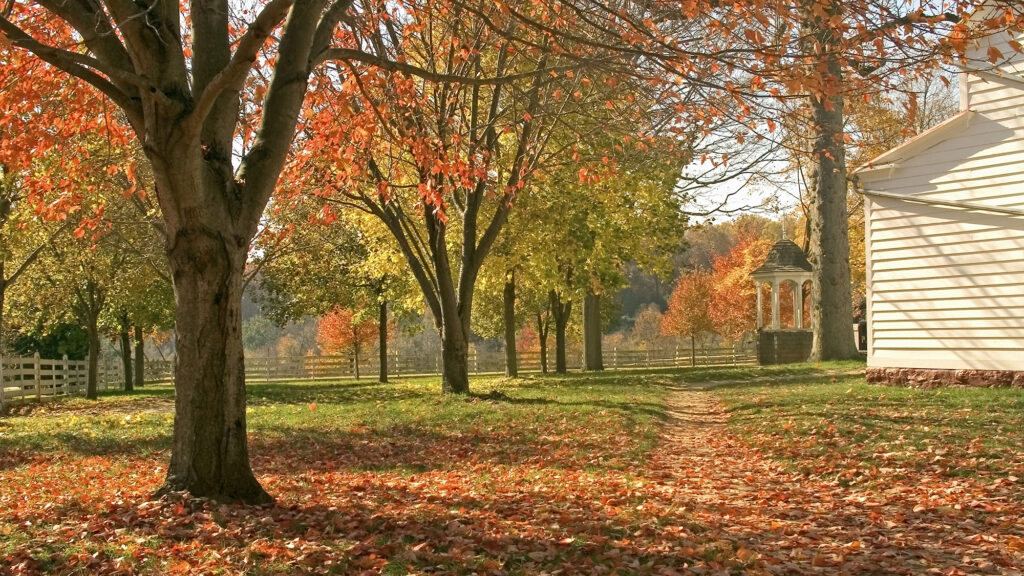
Leave the leaves. Rather than spend the month hunched over a rake—or disturb neighbors with a leaf blower—“let fallen leaves stay on your property,” advises National Wildlife Federation (NWF) Naturalist David Mizejewski. Disposing of leaves in trash bags actually harms the environment by straining landfills, pumping leaf-blower exhaust into the air, and robbing your garden of nutrients, he explains. Instead, shred leaves with a mulching lawn mower to feed the lawn, or rake leaves to add to your compost bin.
Trim the trees. Did you know that damaged or dead branches are a safety risk? They can break off in stormy weather, or under the weight of snow, and damage your roof or siding, parked cars, or people and pets passing by. Cutting them back can be a challenging task for many, so don’t hesitate to hire a professional tree care expert for as little as $75 for a small tree under 15 feet. On average, homeowners spend $250–900 for this service. Learn more: Tree trimming and removal: When to hire an expert.
Water only the thirstiest. Saving water is important wherever you live, but how do you choose between your green babies? “Young and newly planted trees (within the last 3 years) are the most susceptible,” says Gary Lesoing, extension educator at the University of Nebraska. So give those a long drink first. Then, “make sure your [other] trees have been watered well going into winter and not stressed from dry conditions.”
Seed, plant, fertilize. It may seem counterintuitive to plant grass now, but doing so will give your landscaping a head start before winter arrives. This is also a good time for fertilizing, seeding ($100–300 on average), and aerating (about $100–275), as well as completing any irrigation projects. Once the ground freezes, it’ll be harder to do any work. Learn more: Expert tips for growing a lush lawn.

2. Weatherproof your home’s exterior
Icy, snowy weather—and dead leaves—can take a toll on your home. Here are some fairly easy fixes to prevent water and cold air from disrupting your fall flow.
Get debris out of your gutters. If you’ve been delaying checking your gutters, do it now. Leaves and other debris gunk up these roof drains, which can cause water damage to your house. Clean gutters and downspouts regularly of fallen leaves—before heavy rains begin. Tighten brackets and supports, if necessary, to prevent sagging gutters (which also hampers drainage). If you’re not comfortable on a ladder, hire a pro. Learn more: Cost of gutter cleaning and Cost of gutter repair.
@yelp Homeowner hack: how to clean the gutters with @hometips.com! #gutters #hometips #home #homehacks ♬ original sound – Yelp
Swap screens for storms. If you have storm windows or storm doors, install them in place of screens. Even if you don’t have storm windows, removing screens will help prevent damage caused by snow, ice, dirt, and debris that can get trapped between the screen and window. Tip: Doing this will also allow 40% more light into your home, because screens tend to filter the sun’s intensity. Learn more: Cost of storm window installation.
Don’t forget the roof. If you’re in denial about the shape of your shingles, this might be your last chance to fix what’s going on up there before winter weather sets in. Hire a roof inspector for around $225 to take a look. If the pro finds damaged shingles or other roofing issues, repair or replace them now, which may run about $200–1,400, depending on the extent of the damage. Roof issues can allow water infiltration during the next rain or snow melt, which can cause a bigger problem: water damage, mold, and mildew. Learn more: How to hire a reliable roofer and Signs you need a new roof.

3. Keep it warm
No one wants to wake up to a cold house when temps outside are frigid. Now’s the best time to winterize your AC unit and service the heating system. Don’t wait for a heavy chill to set in before getting furnaces and fireplaces in order—you may find out the hard way that they’re not working.
“The last thing you’ll want to discover when icy weather arrives is that your furnace doesn’t work,” HomeTips’ Vandervort says. “By then, HVAC services will be busy—and probably more expensive. Book them now to check out your heating gear.”
Put the AC to sleep. When you’re done with air conditioning for the year, switch off the power to avoid any accidental electrical shorts. If you have a whole-house AC unit, cover the outdoor compressor (the grilled metal cabinet) with a waterproof shield to keep it from filling up with leaves and winter debris. For a window air conditioner, buy an insulated jacket that will help seal out drafts and winter cold.
Fire up the furnace. Hire an HVAC (heating, ventilation, and air conditioning) pro annually to get your heat working. Or for basic DIY, change the furnace filters for about $20, on average, and make sure the heating system turns on when you adjust the thermostat. Learn more: Why you need a good heating and cooling contractor: A homeowner’s guide. Also: How to hire a good heating and air-conditioning contractor.
Freeze-proof faucets. Live in an area where the first freeze arrives in October? Prevent exterior faucets, lawn sprinkler system, and garden hoses from blockages by shutting off the water supply valve to outdoor faucets—and draining them—or installing frost-proof faucets. Learn more: Tips for preventing plumbing pipes from freezing.
Protect your mower and grill. Don’t let outdoor equipment fend for itself in the winter. Clean the grill, then coat it with cooking oil spray to prevent rusting. Also, disconnect the gas tank, then store it in a garage, shed, or covered patio. Use a fuel stabilizer to protect the gas in your lawn mower while it sits unused during winter months (check your user’s guide for instructions).

Pro tip: This is a good time to service your snow blower, too, so it works when you need it.

4. Focus on fire safety
October is Fire Prevention Month—and there’s a good reason why. Starting now, you’ll be using heaters, fireplaces, and wood-burning stoves more often. To avoid disaster, make fire safety a top priority in your home.
Test smoke detectors. Install working smoke detectors on every floor—a little blinking light will show that they’re activated. Don’t forget to change batteries in smoke alarms and carbon monoxide detectors twice a year—unless your safety devices use 10-year lithium batteries. If you don’t have a fire extinguisher, get one or more. And make sure they’re fully charged (some fire departments provide this service). Learn more: Best smoke and carbon monoxide detectors in your home.
@yelp Homeowner hack: how often should you change smoke detectors? @hometips.com #hometips #smokedetectors #safety #tips ♬ original sound – Yelp
Avoid a dryer fire. When dryer vents get packed with lint, it takes longer to dry clothes. And that lint is highly combustible. If you aren’t able to do it yourself, which costs around $50 for the right tools, get your vents cleaned by a dryer vent service to decrease fire risk and help your dryer actually do its job. Learn more: How to clean a dryer vent.
Get chimneys cleaned. We recommended this task in our September checklist—and again this month, if you haven’t already done it. More than 17,000 chimney fires happen every year, according to the US Consumer Product Safety Commission (USCPSC). Before using your fireplace or wood stove, get the chimney inspected and cleaned by a professional chimney sweep (it’s a real pro, not just a Mary Poppins character!). Doing this annually protects your family and home from fires caused by a flammable buildup (creosote) on inner chimney walls. Learn more: Dos and don’ts of fireplace safety.

5. Set a fall mood
Now that pumpkin spice lattes have again swept the nation and people are gearing up for gourd painting and carving, it’s time to transition your summer decor to orange, brown, yellow, and other seasonal colors. Here are some quick and easy ideas.
Re-use nature around you. Turn backyard fallen leaves and pinecones into a festive front-door wreath or indoor centerpiece. You’ll find plenty of great DIY ideas online. Or hire a pro florist to make one that matches your home.
Put out the pumpkins. Pick your own at one of the top pumpkin patches near you. Then, schedule a decorating party before Halloween. Whole pumpkins can last two or three months, while carved ones will stay fresh just a week before starting to rot, according to Cornell University horticulturist Steve Reiners.
Get your “boo!” going. Whether you’re an over-the-top Halloween fanatic with gravestones and ghoulies, or just want to wade into the holiday spirit with a Jack-o-lantern or two, put up Halloween decorations early so you can enjoy them all month. Want to do it up big but not into DIY? Call a holiday decorating service.
Lighten things up. Keep visitors safe and set a festive mood for Trick-or-Treaters and holiday gatherings by dotting paths with landscape lighting. Solar lights are inexpensive, costing about $5 each, and easy to install—they’re wireless and simply stick in the ground. Place them along walkways and both sides of the driveway to guide the way. Learn more: Outdoor landscape lighting ideas for your home and Choosing the right outdoor lighting.

October tasks for your region
When planning October tasks, your local climate will dictate the chores to tackle first. Here are some regional home-maintenance tips:
Atlantic Coast and Gulf of Mexico. Have emergency supplies ready in flood-prone areas—hurricane season is still in full swing till the end of November. If flooding occurs, call a water damage specialist to help dry things out—and you may need a mold remediation specialist if you’ve had ongoing water damage. Learn more: Preparing your house for a hurricane.
Northeast, Midwest, and Northwest. Because heavy precipitation (rain and snow) is likely, focus on battening down the hatches—get your roof, siding, and heating system in good working condition. Upstate New York and other northerly cities, for example, can expect to shovel more than 8 feet of snow a year.
High plains and low mountain regions. Expect warm days and cool nights. Prepare to store planted pots and containers in the shed or garage—the first frost often falls in mid-to-late October. Flowers and veggies should continue to bloom and thrive, unless a major cold front pushes through.
Western US and fire zones. Fire danger is still a factor, especially in arid areas. Clear dry grasses and prune back overhanging limbs. Remove dead needles and leaves from roofs and gutters to reduce fire risk. It’s a good idea to put your roof cleaner or moss removal pro on speed dial if you live in Oregon or heavily forested areas of the Pacific Northwest.
Southern US. In Arizona, Southern California, Florida, Texas, and other Southwest and Southern regions, daytime temperatures may still be hot—or at least moderate—through most of October. This is a good time to finish up home improvements and do a deep clean indoors. You can also plant spring-flowering bulbs such as daffodils and tulips in full sun and well-drained soil. In arid regions, apply mulch on top of soil to help retain moisture in gardens and raised beds.
Find an experienced handyperson near you to help with these October home maintenance tasks.
More fall home maintenance
Not quite done with all of your early-fall projects? Our September Home Maintenance Checklist has more information on tasks you may have skipped or delayed:
Fixing and repainting siding
Prepping your patio for cooler weather
Getting autumn lawn and garden tasks done
Preparing kids’ spaces for the school year
Tuning up your furnace and fireplace