Need to rent a storage unit? Read this first
Need to rent a storage unit? Read this first

Key takeaways
Full-service concierge storage is a great low-hassle alternative to self storage
Consider a climate-controlled facility for storing heat-sensitive items such as wine and artwork
Carefully read the fine print on your contract to avoid surprise fees later on
If your home is bursting at the seams and you need to free up extra space, you might benefit from putting your stuff in storage.
Self storage is now a massive $40 billion industry with nearly 50,000 storage facilities in the US alone—and more options than ever before for stashing your cargo. Think concierge services, storage pods that come to you, and climate-controlled units perfect for prized possessions.
But choosing the right storage facility can be daunting. Like renting an apartment, you’ll need to compare size, pricing, access, location, and security features— not to mention watching out for shady “landlords” who specialize in hefty rate hikes and hidden fees.
So whether you’re moving, relocating, or simply out of space, do your homework before renting a unit. This guide can help you cut through the clutter and find the right storage unit for your needs.
Reasons to rent a storage unit
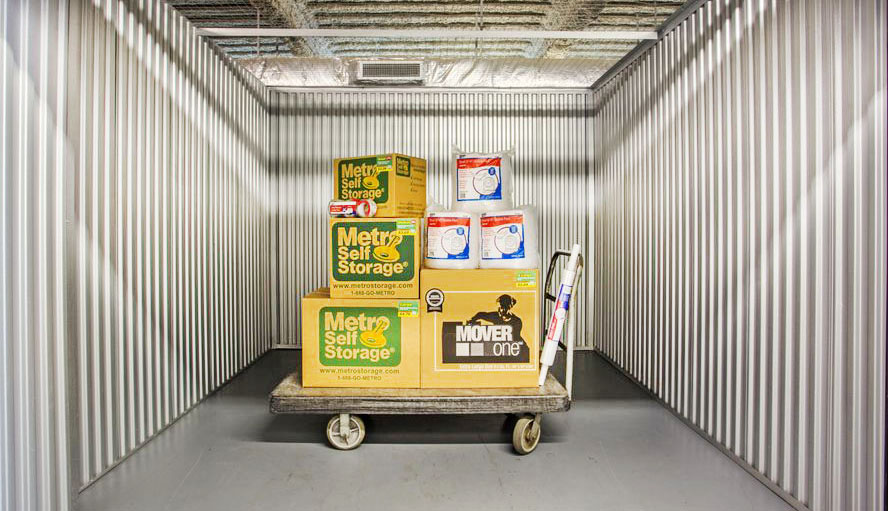
Moving is the most common reason for renting a storage unit. Approximately 55% of storage-unit renters are in the process of changing or downsizing residences.
A storage unit can also solve space shortage in the following situations:
Home renovations. Storage facilities have ample room for your furniture and other possessions until it’s time to move them back in.
Business storage. Don’t have enough space to store files, office furniture, and extra equipment? You’re not alone. Approximately 20% of storage facilities are leased by businesses.
Home staging. Personal belongings, family photos, and heirlooms can make a house look cluttered. Self-storage units are good temporary places for those items when your home is for sale.
Seasonal items. If your closets are overflowing with ski gear, storage is for you. Holiday decorations also find a perfect home in off-site storage.
Military deployment. Keeping a full residence while deployed overseas may not be financially feasible. Self storage offers an affordable spot for your belongings.
Hobbies. Some storage facilities offer vehicle storage for your antique cars, motorcycles, RVs, and boats. They may also offer climate-controlled units for wine or stamp collections.

Types of storage facilities and what they cost
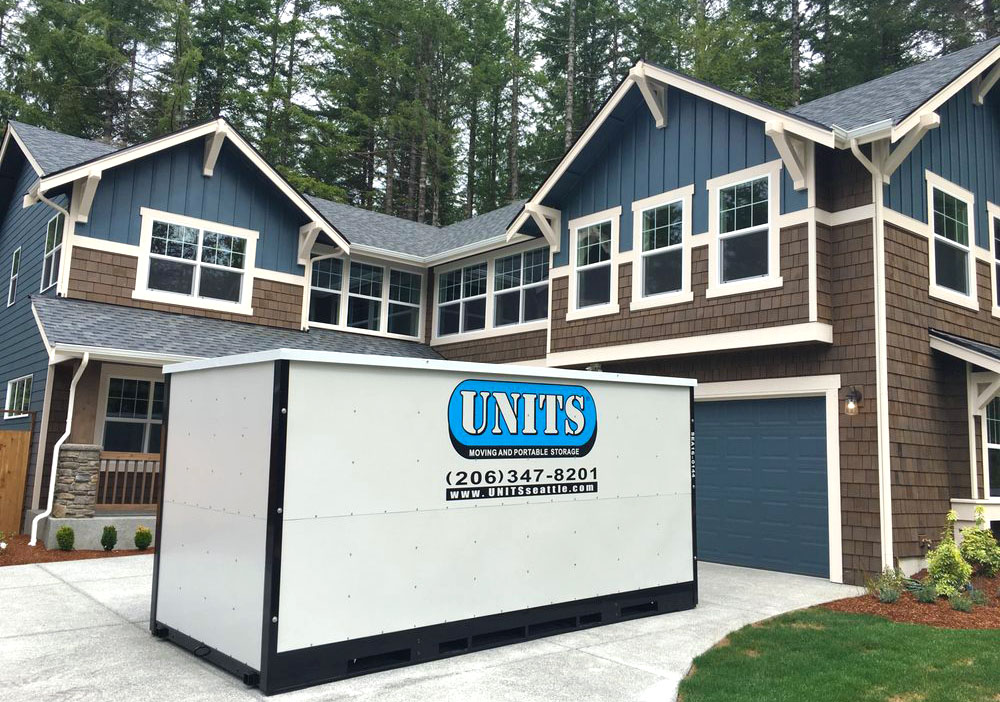
A lot has changed since the early days of drive-up outdoor storage. Now you have more options, ranging from concierge storage to remote storage facilities stacked with individual pods. Read on to understand the different types of storage facilities and how they’re priced.
Self storage
Self storage is exactly what it means. You’ll do all of the heavy lifting. DIY storage comes in a range of choices—outdoor units, indoor units accessed via an interior hallway, or a mix of both. Indoor units aren’t always climate controlled, so be sure to ask, if that’s something you need.
Self storage typically offers the biggest spaces for the money and the greatest accessibility. Some facilities even have 24-hour access. Usually, you supply your own lock to secure the unit.
What they cost: Self-storage units are typically priced at $1 per square foot. The most popular unit size—10’x10’—would run about $100 a month.
Climate-controlled storage units
Heat and humidity can be perilous to precious items, such as rare wines, old photos, and artwork. Thankfully, humidity and temperature-controlled storage units protect fragile goods with closet-sized and 10’x10’ units.
Some of these newer facilities have technologically advanced security systems: electronic locks, video surveillance, and secure access to floors. The downside? These storage facilities may limit the hours that you can access your unit.
What they cost: While climate-controlled units are often more pricey, from $120–160 per month, you might be able to snag a discount when booking online.
Full-service storage
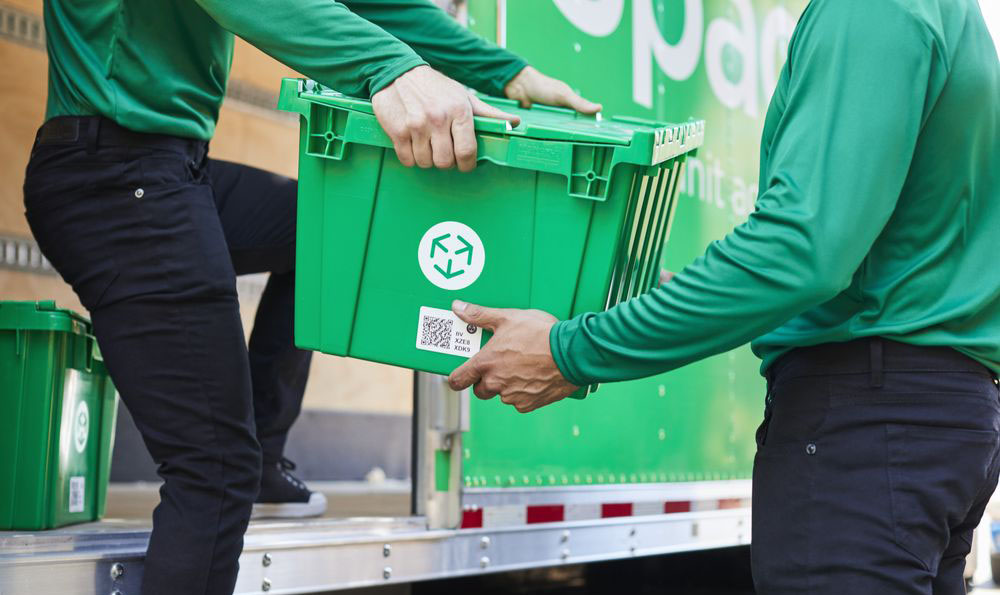
Full-service storage, also known as concierge storage, handles the heavy lifting for you—a great option for anyone who’s injured, ill, elderly, or just wants to put the hard work in someone else’s hands.
Most concierge storage companies, like Closetbox Storage in Atlanta, will pick up and transport your goods to their remote facility. When you need your belongings again, simply schedule a delivery.
Unlike traditional self-storage facilities, concierge operations only charge for the space that your belongings occupy, not a set amount of square footage. The downside? You’ll typically incur fees for pick-up and delivery.
For that reason, concierge facilities aren’t recommended for short-term storage or if you need regular access to your belongings. Most storage locations also ask that you make an appointment 2 or 3 days in advance.
What they cost: Monthly storage prices can vary wildly depending on the company’s fee structure and your location, but they’re generally more pricey than self storage. For example, a 10’x10’ unit at MakeSpace in Dallas will run about $190, basically double the cost of self storage.
Some companies may charge a separate pick-up and drop-off fee, while other companies include this charge in a monthly rate if you agree to store your belongings for a certain amount of time.
For Yelper Casey S., Closetbox Storage was the “exact solution” for her storage woes. “[While] staging my home…I was (still am) pregnant…so a storage solution that included people to pick up furniture and boxes for you (and deliver them back again) was perfect.”
Remote
Another remote self-storage option is a portable container unit (also known as a pod). The pod is dropped off at your home for you to pack yourself. When you’re done loading it up, simply schedule a pick up, and the storage company will take it to their storage facility.
When you need to access your stuff, or you’re ready for the pod to be dropped off (say, at your new home), they’ll deliver it for you to unpack. Like full-service storage, this is a good option if you don’t need frequent access your belongings or if you’re in transition between homes. The main difference is that you’re packing the pod yourself.
What they cost: Prices on remote storage units can run $169 per month and up—30-50% higher than self storage—and may have delivery and pick-up charges. Some remote storage facilities will waive those fees or offer discounts to seniors and military service members.
A storage pod from ZippyShell was exactly what Anita S. needed for her home staging. “Now the house looks ready to sell!” she says. “They kept me informed every step of the way and I can access my things whenever I need to. I’ll get my special things back after my move—wherever that ends up being. Thanks so much for excellent service!”
Someone else’s home
If storing your stuff in a storage facility isn’t your thing, you might want to try an app like Neighbor, which helps you find short-term storage in privately owned homes. It’s a little bit like an Airbnb for your stuff.
You will be at the mercy of the homeowner’s schedule, but it can be 50% cheaper than self-storage facilities, it’s often more secure, and the app provides up to $25,000 in insurance protection in case of theft or damage.
How to choose a storage unit

The reasons that people rent storage units are as varied as the items that they store. To choose the right storage unit for your needs, ask yourself the following questions:
How much stuff do I have?
This seems straightforward, but it’s easy to forget about those boxes at the back of your closet. Like they say: out of sight, out of mind.
Take an honest assessment of your storage needs, room-by-room, and don’t forget about your hall closet, attic, and garage. Your classic car that hits the road only a few times a year might take up valuable space that was better used toward something else.
Storage units range from the size of a high school locker to 10’x30’. Obviously, the larger the unit, the more you’ll pay. The 10’x10’ size can easily hold a bedroom set, couch, and dining room table, along with boxes.
A 10’x30’ unit—one of the largest available at 300 square feet—can hold the contents of a 3- or 4-bedroom house. The smallest units—usually 5’x5’ or 5’x10’—are the size of a walk-in closet. Those can hold boxes and perhaps a desk and chair.
On average, storage units are 8’ tall, which is plenty of room to stack boxes, furniture, and other items. Taller units are also available in some storage facilities.
Once you have a good idea of the belongings you want to store, a storage calculator can help estimate the unit size that you need.
What am I storing?
If you’re storing stuff that’s sensitive to temperature extremes or moisture, consider a climate-controlled storage unit, despite its higher cost. Heat can wreak havoc on electronics and artwork, while humidity breeds mold and mildew, which can quickly ruin fabrics, furniture, and paper goods. A few additional categories that benefit from climate control include wine, leather goods, and photos.
Also, consider the size of items you’re storing. If you have bulky or heavy items to store, for example, you’ll want elevators in multi-story facilities.

What can’t I store?
Details vary from facility to facility, but in general, you can’t store:
Anything illegal
Flammables
Fireworks
Inoperable cars
Some common household items that are banned in storage facilities include: “aerosol cans, fingernail polish remover, fertilizer, charcoal, cleaning supplies, ammunition, fire extinguishers, and gas cans—just a few [items] you may not have thought about,” reads ZippyShell’s website.
Also keep in mind: Storage facilities won’t let you use your storage unit as an office, and you definitely can’t live in one.
Some things you can—but shouldn’t—store at an off-site storage facility:
Birth, marriage, and death certificates
Mortgage information
Financial paperwork
Deeds
Bills of sale
Social security information
How often do I need to access my stuff?
If you’ll be moving items in and out of your storage unit regularly, consider going with a 24/7 facility that offers drive-up access. You’ll be able to get to your belongings whenever you need to and can move things in and out without a fuss.
If you plan to leave your stuff in storage for a while, you might want to go with full-service storage or even a storage pod. Remember that costs can add up if you take the pod out of storage a number of times. The storage facility will need notice before delivering your pod, and you’ll get the entire pod, not just a few necessary items.
How will I move my belongings?
There are several options for getting your belongings into a storage unit. If you don’t have a lot of furniture or heavy boxes, you can save money by moving them in your own vehicle.
If you are moving a large household, you could benefit from using a moving company to handle the heavy items. They’re used to working with storage facilities, and most facilities have loading docks and entrances for moving trucks. Always check with your facility to make sure the truck will fit, and to honor any posted moving hours.
Truck rental is another viable option, although it’ll add to your costs. Think beyond U-Haul—there are many truck rental companies, so shop around. Also, it doesn’t hurt to ask your storage facility manager if they have partnerships with moving companies that offer their clients a discount. Some storage facilities even have moving vans you can use for free, like Modern Storage in Maumelle, AR.
The hidden costs of storage
Storage unit pricing is typically based on size and whether you opt for full-service, climate control, or basic self-storage. But you’ll also need to consider the following costs:
Taxes and fees. Line items for security, cleaning, and paying the government aren’t usually included in your quote from the storage facility and can add approximately $40 to your monthly bill. In addition, some facilities charge a one-time administrative fee on top of your first month’s rent, which might add an extra $25.
Demand. Much like air travel and hotels, storage pricing fluctuates based on demand. Many storage facilities will increase pricing during peak seasons or when inventory runs low.
Geographic location. Just like real estate, storage units cost more in pricey cities. San Francisco boasts the most expensive self storage prices in the nation—a 10×10 unit fetches $200 per month, while the national average is half of that.
Length of time. A year’s worth of storage fees could easily cost upwards of $1,000. Perhaps it’s time to donate or sell some of your belongings?
Rate increases. Make sure to thoroughly read your contract with the storage facility, and get everything in writing—especially your rate. Unexpected rate hikes can lead to exorbitant charges each month.
Los Angeles Yelper Steven C. warns other customers about the 35% price hike that he experienced over two years at Price Self Storage. “My rate started out at $393.00 per month and it’s just been raised (as of June 1, 2020) to $543.00,” he says.
Storage insurance
In most cases, your storage facility will require some kind of property insurance, but don’t blindly opt into the facility’s pricey insurance policy. Many third-party insurance companies will add a rider to your existing homeowners or renter’s insurance policies, at a more affordable rate.
Insurance will typically cover damage from fires, theft, and vandalism in the storage facility. Most homeowner’s insurance will not cover damage from natural disasters like floods or hurricanes; mold; or poor maintenance unless you add that coverage at an additional expense.
Also, find out how much coverage your policy offers when your stuff is in storage; typically it’s only 10% of the personal property limit. That means for a personal property limit of $60,000, you’ll only have $6,000 worth of coverage for stuff that’s in storage. Contact your insurance broker for more details and costs.
What happens if I don’t pay my bill?
In reality-TV shows, storage facilities auction off belongings of renters who fell behind on payments.
The bottom line is, if you don’t pay your storage unit “rent” for 30 days or more, your agreement is in default and the storage unit now owns your property until you make the missed payments. The facility can cut your lock and place one of their own on the unit, so you can’t get your belongings while in default.
It’s highly unlikely that your goods will end up at auction right away. Storage auctions are not profitable, so the storage facility would rather badger you to get payment.
Beside the risk of losing all of your worldly goods, defaulting on storage payment can harm your credit rating—and your ability to rent an apartment, buy a car, or rent another storage unit in the future.
All of this information is spelled out in your lease agreement with the storage facility, so read all of the fine print before signing.
What to watch out for
Thoroughly research self-storage companies before committing your belongings to their care. Many big-name companies work hard to keep their facilities up-to-date and secure, but there are some who don’t do as good of a job.
Typical complaints can include:
Pests
Furniture makes excellent nests for rats and mice, and cockroaches love a good meal of cardboard and other paper products. Typically, insurance will not cover this kind of damage, so make sure your facility has a plan to combat pests.
Mold
Mold infestation can happen if the storage facility isn’t maintained and individual units aren’t properly sealed. Since most homeowner’s insurance policies won’t cover mold damage, it’s imperative to inspect your unit and make sure the facility is clear of any obvious water damage, a sign that mold may be lurking behind the scenes.
Also, store your valuables in sealed plastic containers, not cardboard boxes, and get add-on flood insurance, which is not generally included in an initial insurance quote.
Security measures
While no storage facility is guaranteed to be free of theft, it can take measures to secure your belongings.
Look for property fencing surrounding the entire facility. Gates and other access points should be locked, with individual access for renters (usually a personal PIN code).
Next, make sure there’s plenty of lighting inside, outside, and around your unit. Good facilities also have security cameras and monitoring equipment. You may not be able to spot these devices, so ask your storage facility to point them out.
If you’re storing something more specialized like automobiles, you might opt for extra security—an alarm-guarded individual storage unit and 24-hour on-site monitoring. Plus, it never hurts to have a car alarm installed in the vehicle itself.
Location
Is the storage facility in an area of town that you can easily access and safely visit alone? Most renters choose a facility that’s within two miles of their home so they can conveniently access their belongings.
There are a lot of factors to consider in your search for the right storage space. If you do your homework and find a reliable, highly rated company, using a storage facility can be easy, cost-effective, and convenient.
Find a good storage facility
Tell us about your storage needs and we’ll connect you with trusted local pros and facilities.