Car alarm systems: Find the right security for your vehicle
Car alarm systems: Find the right security for your vehicle

Key takeaways
A car alarm system can range in price from $15 to more than $300
Many auto insurers offer premium discounts for cars with alarms
Installation can be expensive, but worth it if you don’t have the skills to DIY
Blaring car alarms may be the sound everyone loves to hate, but those safety devices keep thieves from stealing your wheels.
If your car doesn’t have a security system you’re at greater risk for break-in or loss. Approximately 873,000 vehicles were stolen in 2020, 10% more than the previous year, according to the National Insurance Crime Bureau.
With car thefts on the rise, now’s a good time to rethink your vehicle security. Besides avoiding the shock of a missing or damaged car, installing a system has another benefit: auto-insurance companies offer premium discounts for cars with alarms—which could help cover the cost in a year or two.
Finding the right security system for your budget and needs, however, can be challenging. There are lots of new features to consider—such as two-way paging, GPS tracking, and remote start—many of which offer extra security and convenience.
This guide will walk you through the different types of aftermarket car alarm systems and add-ons. It’ll also help you decide whether to install the car alarm system yourself or hire a pro to do it for you.
Types of car alarm systems
Car security systems generally fall into a few key categories. Here are the main choices and their average costs.
Active car alarm system
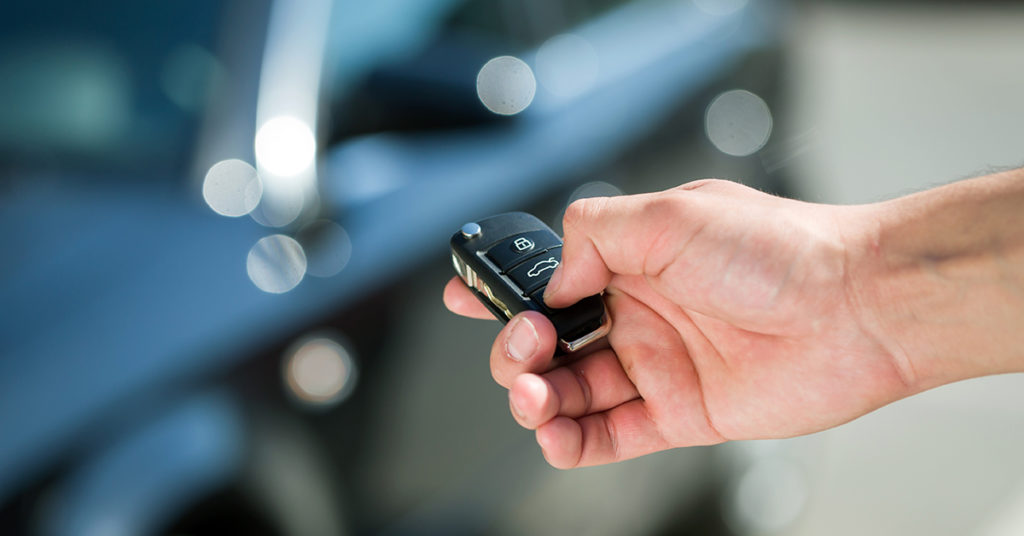
This is the most common type of car alarm. It’s considered “active” because it requires the driver to press a button on the key fob to lock doors and activate the alarm.
Some active systems can be switched into “passive” mode, which automatically engages the alarm when the driver turns off the vehicle and the last door closes.
Prices vary widely—active systems range from as little as $15 to more than $150, depending on features selected.
Passive car alarm system
A passive alarm system automatically activates the locks and arms itself after the driver turns off the ignition and closes the doors. It’s a great option for drivers who sometimes forget to lock their doors or set the alarm.
Because there’s less room for user error, passive alarms often reduce your insurance premiums by a greater amount than active alarms. An inexpensive system costs $50 or less, but an advanced system can easily exceed $200.
Two way-paging car alarm system
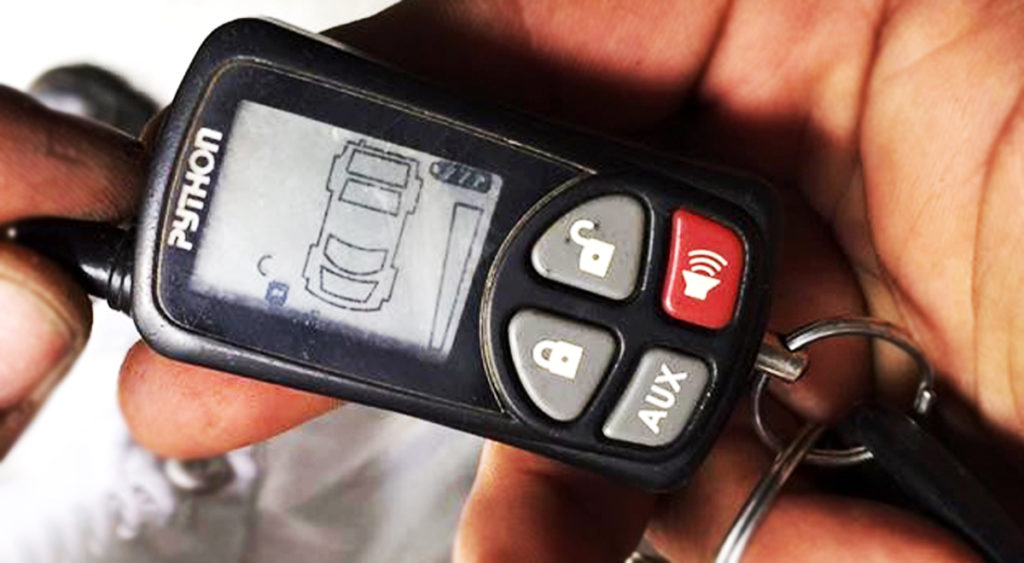
A two way-paging car alarm system puts the convenience of a remote control in the palm of your hand. From a key fob with an LCD screen, you can arm the alarm or remotely start the vehicle. (The alarm itself can be active or passive.)
And because it has two-way functionality, the fob can also alert you to your car’s status, by vibrating, chirping, or displaying a message, from as far away as a mile. For example, it will notify you if you forget to set the alarm or lock the doors, if someone is too close to your vehicle, or if there’s a break-in.
A two-way alarm with a pager is generally limited to aftermarket car alarm systems, from companies like Viper and Compustar. A basic version can cost $60 or less, but an expensive system from companies like Viper, Easyguard, or Crimestopper can easily exceed $300.
Audible car alarm system
Many drivers are familiar with audible car alarm systems, because this vehicle security option comes standard on most of today’s new cars with keyless entry systems. They deter potential car thieves with loud siren sounds or horn honks.
These alarms are often quite basic, and include only a shock sensor that can tell when someone (or something) bumps the car too hard, or opens the door without deactivating the alarm.
Audible car alarms are available as passive or active systems, and have the widest range of prices—from $15 to more than $200.
Car alarm extras to consider

Car alarm systems often come with added features for convenience and extra security. Here are several useful options.
Remote start system
Some car alarm systems can start the vehicle remotely, which is especially useful for defrosting windows during snow season, or cooling down the interior during blistering-hot summers.
All you have to do is hold the remote start button on the key fob to start the car’s ignition. The climate control system picks up where the driver last set it, so remember to crank or reset the AC or heat before turning off the car.
Remote starters are only functional on vehicles with an automatic transmission—a manual transmission requires the driver to press the clutch when starting the engine.
Car lock controls

If your vehicle has power door locks, some car alarm security systems allow you to connect them to the car alarm. When you activate the system, the door locks will engage, too.
GPS tracking
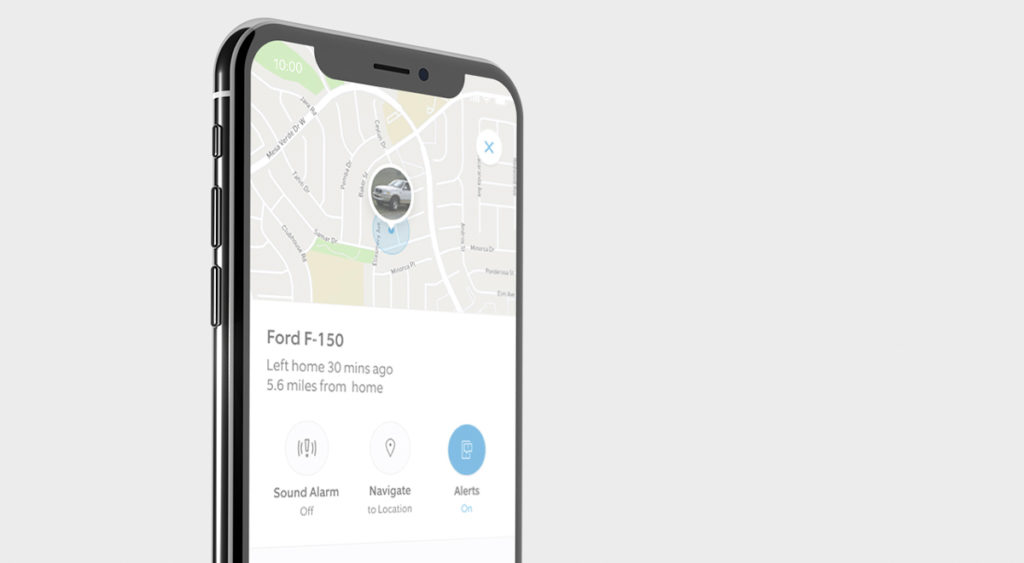
With navigation software now commonplace, it’s not unusual to see car alarm systems that include GPS tracking. If your vehicle is stolen, you may be able to locate and recover it.
Vehicle immobilizer
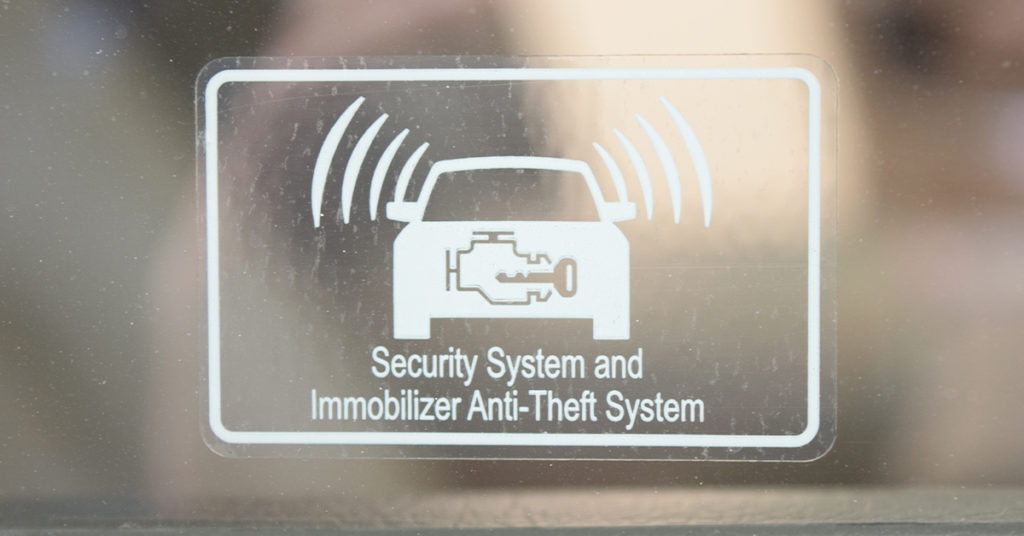
A vehicle immobilizer acts as a kill switch if someone triggers the alarm—a great option for deterring would-be thieves who know how to hot-wire an ignition. Even if someone gains access to the car, they can’t drive it away.
Proximity sensors
While many alarms have shock sensors that only detect loud noises and physical contact with the vehicle, some higher-end systems have proximity sensors that detect movement around the vehicle. Some have a preset distance, but others allow the owner to customize how close someone can get before the alarm activates.
When someone gets close, the alarm will emit a warning chirp and alert the owner via a smartphone notification or a message on the LCD key fob. The downside: This feature can lead to many false alarms.
Installing a car alarm
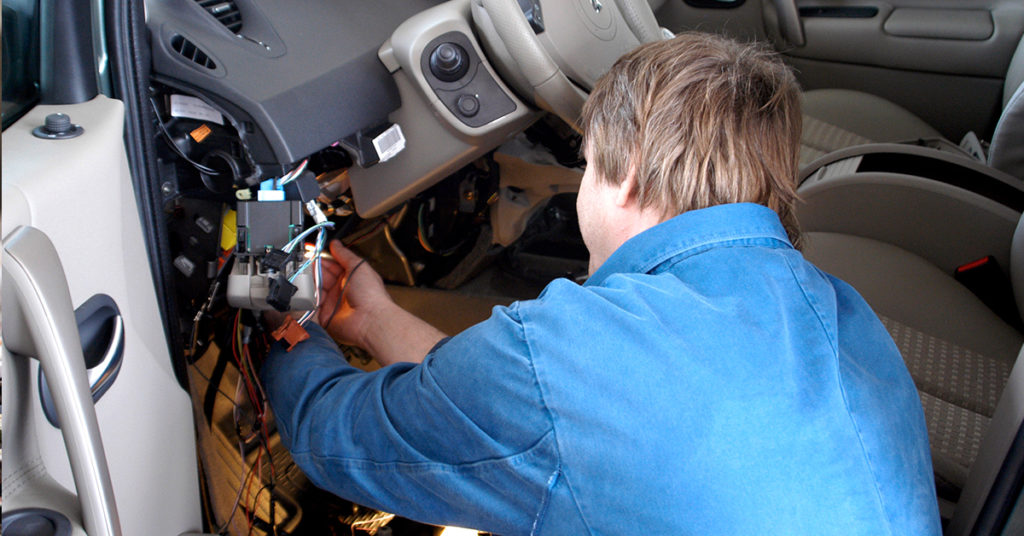
Professional installation of an advanced car alarm can cost $100–450, depending on the kind of car, alarm system, and features. In some cases, retail locations may offer basic installation with an alarm purchase.
Can you DIY car alarm installation?
If you have a general grasp of automotive electronics or great mechanical aptitude, figuring out how to put in a basic car alarm can be relatively straightforward. These systems include a user manual and usually have just a few wires and components to install.
But if you purchase a car alarm with more robust features, including remote start, keyless entry, or proximity sensors, you’ll need far more advanced automotive knowledge to complete the installation—even with a user manual.
Hiring a car alarm system professional

Car alarm installation can be quite intricate, because you have to tap into the vehicle’s existing electrical systems to activate all the features. For example, if the alarm has a vehicle immobilizer, you must access the ignition to install the starter kill system.
“Even a professional mechanic can struggle with the intricacies of advanced car alarm systems,” says Justin Cupler, an experienced ASE-certified technician and shop manager based in Palmetto, Florida. “Professional alarm installers have been fully trained in these systems and how to install them with no issues.”

Pro tip: “When installed incorrectly, [car alarms] can prevent the vehicle from starting, drain the battery, or even cause costly damage to the vehicle’s computer system,” Justin Cupler adds.
If you plan to purchase a car alarm system with advanced features, you’re better off hiring a professional to handle installation, even if you have superior mechanical skills. If your know-how is limited, best to leave even the most basic car alarm install to a trained pro.
Car alarm money-saving tips
While there’s not much haggling to be done on car alarm systems, some insider tips can help you save money.
Stick to features you’ll use
Instead of loading up on enticing extras, focus on the options you need the most. For example, a two-way communication key fob may seem awesome—but if you live in a remote area where there’s virtually no crime, those extra features are overkill.
Look for open-box sales
Sometimes people buy a product from a retail store, open it, and decide it’s not the best car alarm system for their needs. When they return it, the retailer will often resell it at a discounted “open-box” price, after verifying that all of the components are there.
Pro tip: You can often save 25% or more, just by buying an open-box car alarm, which will usually function just as well as one that wasn’t opened. But ask about the retailer’s return policy, which may be limited for open-box items.
Watch out for additional subscription fees
Some car alarm systems, like DroneMobile, tack on an additional subscription fee to access all of its features, such as GPS tracking or 24-hour monitoring. These fees can range from a few dollars a month to more than $40 per month.
Look for free installation
Some retail stores offer free installation on alarm purchases at a specific price point—for example, a product that costs $200 or more. If you’re looking at a $180 alarm, it might make sense to spring for the higher-priced item if installation is included.
Pay attention to the fine print, though. Sometimes free installation only covers the basics, not more advanced features, including remote start, GPS tracking, or proximity sensors.
Consider an older model
Car alarm manufacturers are constantly rolling out new features, which often results in price cuts on older models. Look for an older system with all the options you want—it’s a great way to save some cash.
Should you buy an extended warranty?
While they cost extra up front, extended service warranties can sometimes save money in the long run. If a component in the alarm system fails, some warranties will cover both the replacement parts and their installation.
If you’re considering an extended warranty, however, read the fine print: Verify that it covers all parts and labor, and that the plan is supported by a reputable company.
Where Yelpers went for car alarm installation
Some services are better left to the professionals. These Yelpers turned to industry experts to have their car alarms installed.
Lightning-fast service…
Carlos M. reached out to Auto Alarm Specialist in Miami for a quick turnaround on his car alarm installation. “Called him on a Friday. He came to my house the next morning and installed my alarm. Took the time to go over all of the features of the system. I highly recommend him!”
Fixed on the first try…
“Really, this shop deserves 6 stars, not 5,” Peter A. says of Good Guys Auto Alarm & Stereo in Brooklyn. “I had a very tricky problem with an aftermarket car alarm on my 2004 Mini Cooper. They knew exactly what they were doing and solved the problem on the first try. I had called other shops first and got a lot of wishy washy ‘maybe this,’ ‘maybe that’ advice, if they even called back at all. Would highly recommend.”
Overcoming complications…
Matt V. of Chicago was “pleased with how well everything was done” at Car Audio & Security, despite some challenging circumstances. “An hour and a half into the installation, I found [the technician] reading the poorly written manual from the alarm/starter unit I purchased online. It was clear that he was having a frustrating time trying to match the mismatched wires. He worked through the problems and eventually got everything working as it should. He definitely knows what he’s doing considering I did not buy the most user-friendly alarm/starter unit out there.”
Find a car alarm system professional in your area.
Find a good auto security pro
Tell us about your car alarm needs and we’ll connect you with trusted local pros.