17 tips for organizing a move: before, during and after
17 tips for organizing a move: before, during and after
Key takeaways
Start packing as soon as you have a set moving date; do it systematically and label everything
Be prepared with sturdy boxes, packing tape, permanent markers, a utility knife, trash bags, and disinfectant
Document the layouts of both your old and new homes to help plan where items should go
Whether it’s your first time or your tenth, a big move can be incredibly stressful. Packing up and settling in a new home isn’t a walk in the park.
The good news is that relocating doesn’t have to be a headache if you’re prepared and know what to expect. Here’s an essential guide of survival moving tips.
Before the move
Don’t wait until the last minute. Start packing and get organized earlier rather than later as you’ll likely be surprised by the amount of items you’ve accumulated in your home.
1. Get rid of items that won’t (and shouldn’t) come with you.
One word: Decluttering. Set aside the belongings you don’t want or need. Sift through your closets for items to donate, sell, or recycle, and consider using a junk removal company to clear larger items.
Need help decluttering? A home organizer can get you ready for a move.
2. Secure moving boxes and bubble wrap.
Keep an active eye on your social networks for free moving boxes. Ask friends and family members if they have any laying around in their garages. Some local businesses may also be willing to provide them for free. Boxes worth purchasing are wardrobe moving boxes, as they make packing and unpacking your hanging clothes much easier. If you’re hiring a moving company, you may be able to use theirs for free during your move.
Splurging on plenty of bubble wrap and packing paper is worth it—you likely have more fragile items than you think.

Photo: Blue Bird
3. Take pictures of how your decorations and furniture are currently organized and displayed.
Save these pictures in a folder on your phone. They’ll come in handy when you’re planning the layout of your new space. Plus, the images will serve as a nice way to remember your old home.
4. Pack systematically.
Begin with boxing up items you won’t immediately need. When packing dishes, glassware, and fragile items, utilize t-shirts, dish cloths, and old newspapers for wrapping and padding.
Next in your packing process, box up essentials separately for easy access on the first night in your new home. “There’s nothing worse than trying to take a shower after a long day of moving and not being able to find a bath towel,” says Kelli R. of San Francisco. “So put key items like bed sheets and toiletries in a box and use bright duct tape to make those boxes easier to spot.”
Other items for your “essentials” moving list include: important documents, pajamas, chargers for electronic devices, toilet paper, paper towels, handsoap, and a shower rod and liner.
When packing up hanging clothes from the closet, use a drawstring trash bag. While they’re still on the hangers, scoop them up inside the bag, then tie the drawstring around the hangers. For bigger, bulkier items—such as big blankets and rugs—use vacuum storage bags to save room.
In addition to a separate box of personal items, bag up your day-of moving supplies, such as a tool kit, packing tape, and permanent markers.
Don’t want to DIY pack? Hire a mover or packing service to do it for you.
5. Label everything.
As you pack, ensure you’re labeling all your boxes with what’s inside. Consider specifically noting which boxes you’ll need to open on your first day or two (like the one housing your coffeemaker or your bed sheets). You can even go all out and use stickers or colored tape to distinguish the contents inside each box. Be sure to label boxes not only on the top, but also the sides so it’s easier to identify them when they’re stacked.
Imagine your soon-to-be floor plan as you draw out where you want all your items to go. These small tasks will help speed up the move-in process so your movers—professional or loyal friends lending a hand—will know exactly where to place everything.
6. Give your new place a quick clean, and gather measurements while you’re there.
It’s extremely beneficial to remind yourself of the layout of your place, even if it’s just an hour before your things arrive. If possible, do a quick sweep, vacuum, and wipe down before your stuff is moved in and unpacked. This is also a good opportunity to sanitize surfaces to disinfect and kill germs. While you’re there, measure the areas you’ll need to get furniture through—the elevator, stairwell, and door frames, for example—as well as floor-plan spaces such as the living room (your couch may be bigger than you think).
No time to clean? Hire someone to make it sparkle for your arrival.
7. Confirm there’s parking space for your moving truck.
Make sure there’s space for your truck rental at both your current and new streets. Some city neighborhoods require securing a permit to hold a spot for your truck on the day of your move. While this often comes at a price, it definitely helps alleviate the stress of a crowded street.
Want someone to move it for you? Learn about the benefits of hiring a professional mover. And if you’re relocating long distance, here’s how to make it go smoothly.

8. Pack a lunch and your favorite hydrating beverages.
The day will almost certainly get away from you, and you may not have a spare second to run out for food or drinks on moving day. Pack a lunch the night before, or schedule a mid-move food delivery ahead of time. Grabbing some extras for your friends and/or professional movers is always a nice gesture.
“After an extremely long day of moving, I found myself in the drive-thru line of a burger spot at 9:30 p.m.—exhausted and running on only a handful of pretzels and tap water from the day,” said Amanda R. of San Francisco. “I completely misjudged being able to run out for a quick bite or even get to the corner store for a drink.”
9. Update your address.
Start with your post office. You can even schedule USPS forwarding in advance of your move. Other places that may eventually need updating include your employer, insurance providers, tax agencies, utility companies, bank and credit card companies, and subscription services.
10. Set up/transfer your utilities.
You don’t want to be without electricity or the internet at your new place. Be sure to either set up new accounts or transfer existing accounts to ensure a seamless transition. Many utility companies let you set up the transfer service ahead of time by providing your move-in date and new address. And always look out for new customer discounts.
During the move
Get a good night’s sleep before the move. When the big day arrives, take a deep breath and know you got this because you did plenty of preparation.
11. Run “air traffic control” with your movers.
Show your movers which rooms are which, as labeled on your boxes, so that everything ends up where you want it. Don’t be afraid to ask them to move items if things are placed in the wrong area or even if you simply change your mind.
When a large futon was delivered to her new apartment on the day of the move, Emily W. of Milwaukee asked the movers to bring it up as well. “Just because the box didn’t come in their truck doesn’t mean their skill and ability couldn’t help me out,” she said. “Don’t be afraid to ask. Especially when you’re paying them to move you.”
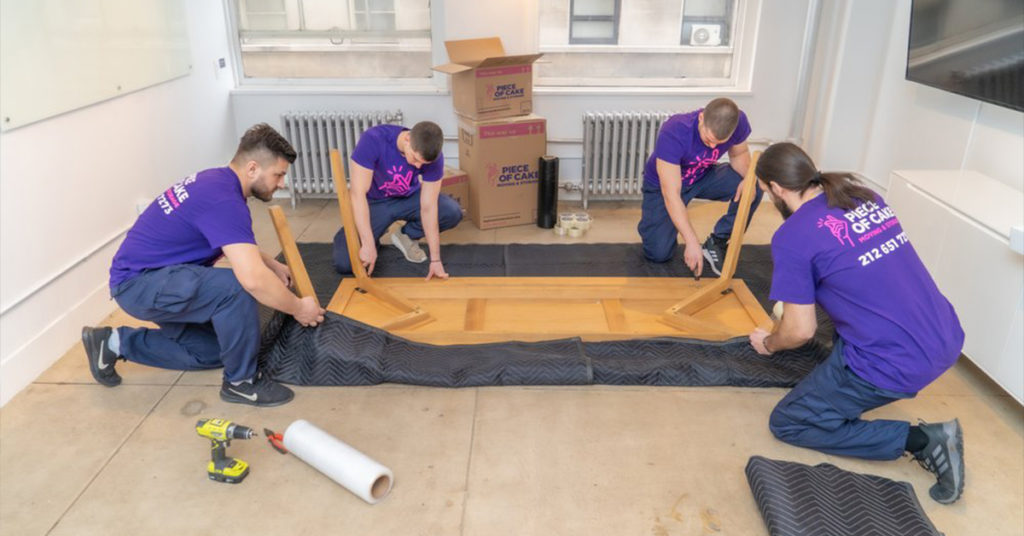
12. If you’ve hired professional movers, ask them to help break down or assemble more complex pieces of furniture.
This may cost extra (in overall charges and/or for the extra time), so be sure to ask about the rates ahead of time. Be conscious that you’re often paying based on the amount of time the move takes. Consider what’s worth your personal effort and time versus passing the job on to movers.
Avoid trouble. Ask movers these 19 questions before you hire them.
13. Don’t forget about your furry friends.
Plan to either have pets stay with someone else for the day or block them off to one area or room. Introduce them to your movers—whether they’re hired or friends—and make sure they have adequate water and food.
14. Keep your energy levels up.
Throughout the day, don’t forget to hydrate and take time to eat your pre-packed meal or snacks.
After the move
Once all your things are moved in, take another breather. Don’t put too much pressure on yourself to have everything perfect and unpacked immediately.
15. Do a walk through.
Admire your new place, and note anything that may seem out of place.
If you’re renting, take pictures of the entire place. Document everything, from minor scratches on the floor to larger issues like broken hardware or appliances. That way you’ll be on the same page with your landlord once it’s time to move out.

16. Start by placing things where they make sense—it’s okay to sleep on it.
Decor, organization, and placement inspiration will come with time. It’s helpful to place your wall art on the ground or on furniture near where you want to eventually hang it, so you can get a sense of how things might look (and prevent unnecessary holes in the wall).
17. If you’re renting, ask about the move-out expectations.
While this may seem overly proactive since you just moved in, it’ll help you identify the upkeep you need to follow while at your new home. Some questions to think about:
Is painting going to happen after I move out, regardless?
Will they replace the carpet afterwards?
Are there any things that will require special attention or care?
No matter how prepared you are with your moving checklist, moving may never be completely stress-free. Embrace it and be proud of yourself for taking it on—new memories, adventures, and opportunities await.
Find a professional mover near you.
Find a good mover
Tell us about your move and we’ll connect you with trusted local pros