How to winterize a pool
How to winterize a pool
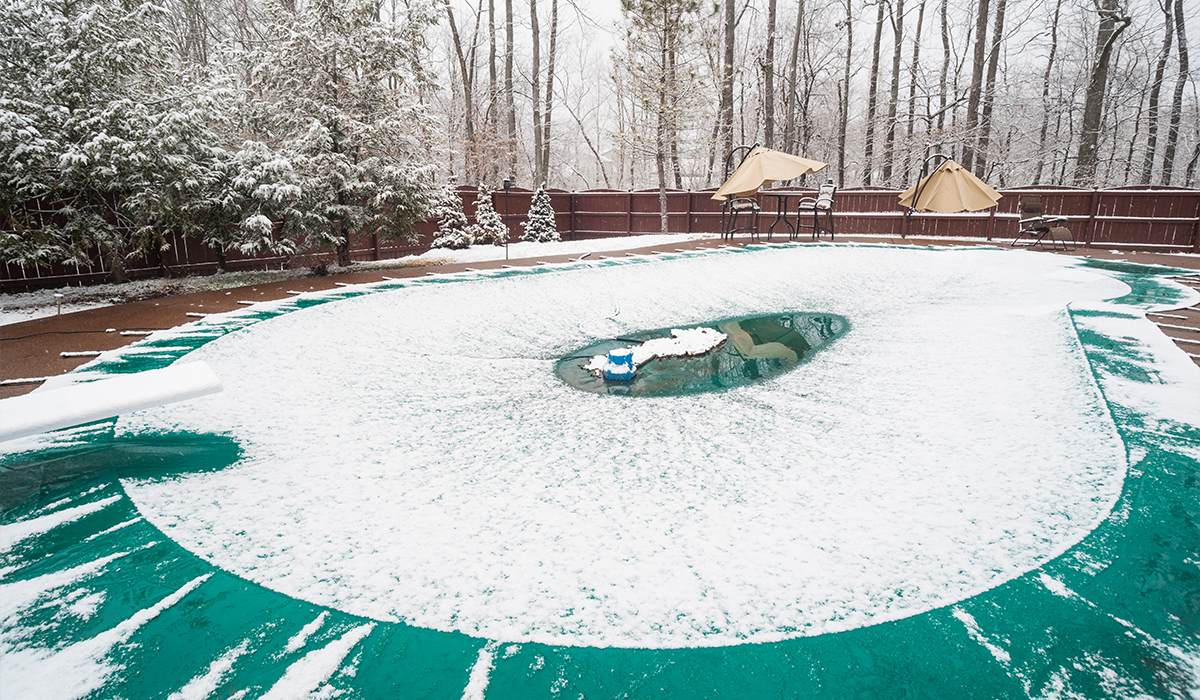
Key takeaways
Swimming pools that will be closed for the season require winterizing
Inground pools should be winterized by a professional pool service company
Most homeowners can winterize their own above-ground pools
Whether we like it or not, summer never lasts forever. If you want your pool to survive years of future swimming seasons, you’ll need to winterize it every time the weather gets cold. And that doesn’t mean just draping it with a winter pool cover.
You or your pool service company will need to complete several key tasks to prepare your swimming pool for the coming winter months. Skipping proper winterization could bring unwelcome surprises next spring, including a potentially large repair bill.
Read on to learn about winterizing inground and above-ground pools, including dos and don’ts, and how to find the right pool service pro.
Why winterize a pool?
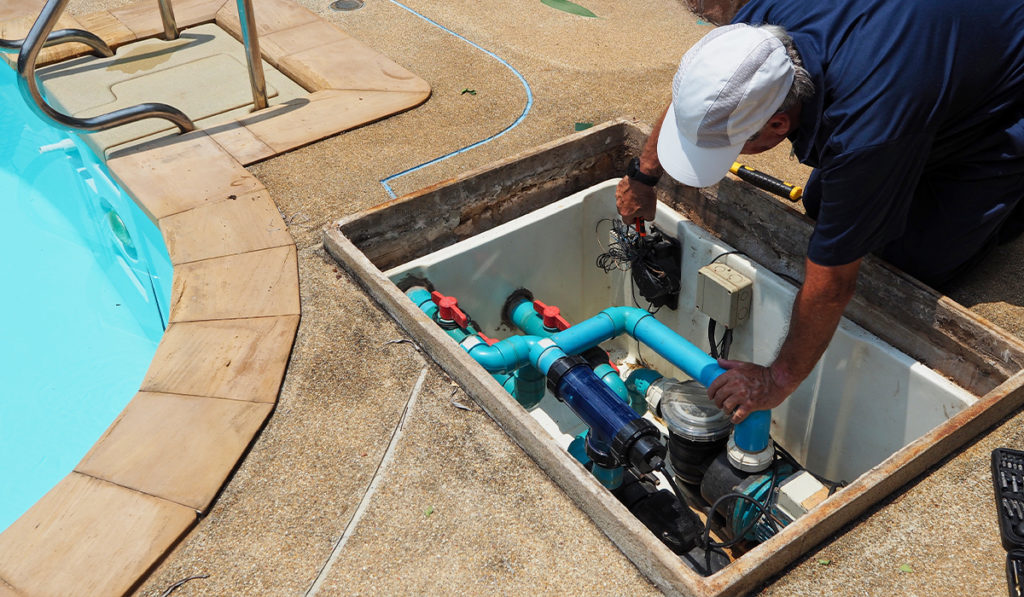
Winterizing an inground pool protects the pool’s filters, pumps, shell, and other pool equipment from damage. Frozen water in pipes behind pool walls, for example, can lead to cracks in the pool shell or loosen tiles that cause them to fall off pool walls. If that happens, resurfacing a pool costs as much as $6,500.
Properly closing a pool also ensures its spring opening will go smoothly. Even with a pool cover, rain and melting snow can find their way into the water and cause a buildup of deposits (called scale) that form on the walls and equipment. The water can also etch and corrode surfaces.
Regardless of any damage to the walls or shell, if you don’t sanitize the water for winter, you can expect to be greeted by an algae bloom when warm weather arrives. Properly winterization will keep pool water as clean as possible for next spring.
Lianne R. from Ansonia, Connecticut, found out how this can lead to smooth openings next season: “All of my experiences with Aquatic Pool & Spa have been excellent. Last year they closed my pool, and when I opened it this year, it was ready to go.”
How to winterize an inground pool

Photo: The Three Cousins, Long Island, New York
The process for protecting your pool from harsh weather will depend on location and local winter temperatures. Draining pipes of water is absolutely necessary wherever water freezes or there’s a chance of freezing temperatures. If your area isn’t subject to freezing temperatures, there’s no need to eliminate water from the plumbing lines.
To prepare your pool for winter, wait until the temperature is consistently below 65°F. Cooler temperatures help prevent algae growth. You or your pool service company will then follow these basic steps for winterizing an inground pool.
Clean pool walls and floor. Remove leaves and other debris from the water with a long-handled skimmer. Then, give the pool a good last scrubbing with a pool brush to remove buildup while running the pool’s filter to help remove dirt. Use a pool vacuum to clean up the remaining debris you dislodge from surfaces.

Test and balance pool water. Winterizing doesn’t involve fully draining the pool, but you do need to prepare the water in it. Maintaining the right balance will prevent scale and corrosion of pool equipment and surfaces, while keeping water clean and pleasant. The Pool and Hot Tub Alliance (PHTA) recommends the following levels for pH, alkalinity, and calcium:
pH levels: 7.4–7.6
Total alkalinity: 80–120 ppm (parts per million)
Calcium hardness: 200–400 ppm
A pool company can balance the water or ask you to do it before they arrive. Doing the work yourself may save $25–50 in total cost, but you might spend as much for the required chemicals.
If you’ve maintained your pool all summer, you’re likely familiar with testing and adjusting the water chemistry (aka balancing). About 5–7 days before you plan to close the pool, use an at-home test kit or have the water analyzed by a pool company or pool retail store. Measuring water levels a week in advance will give you time to recheck them before the final closing.
Add pool shock. Adding this dose of super sanitizer to water a few days before closing the pool kills organic contaminants and algae. Run the pool filter for at least 8 hours to distribute the sanitizer throughout the pool.
Add winterizing chemicals. To prevent algae growth during cold months, add winterizing chemicals once chlorine levels drop to a level of 1–3 ppm. Winterizing chemicals are less effective when chlorine levels are too high.
Actual winterizing chemicals to add depend on your location, as well as minerals and other components in your water. Well water, for example, usually has a high mineral content. Common additives include algaecides to prevent growth and sequestrants that suspend any metals in the water, keeping them from staining pool surfaces. Pool chemicals are available separately, or as part of winterizing chemical kits that you can buy for about $40–70.
Clean filter and pool pump. This process usually involves backwashing sand and diatomaceous-earth filters (that is, setting them to flow in reverse). Follow your manufacturer’s instructions. For cartridge filters, remove and clean cartridges by hosing them off. Allow them to dry completely before storing indoors. Also clean the filter that’s attached to the pump.

Lower the water level. At the end of the swimming season, some amount of water usually needs to be drained from the pool manually. When determining how much water to drain, consider your cover. The pool water supports the cover, so consulting with your cover manufacturer is a good place to start.
In most cases, the water level should end up below the skimmer baskets—the opening at the waterline where pool water enters the filtration system— and below any decorative tile. Freezing water can damage tiles.
Certain types of pools, however, may not need draining. “We don’t drain vinyl pools that have vinyl liner steps,” says Brian Hughes, owner of Leisure World Pool and Hearth in North Kansas City, Missouri. “Removing some of the water would leave the top step uncovered, which means there would be no weight on the vinyl liner. The liner can shrink over the winter and could lead to rips and tears.”
Purge or remove pool equipment. Any equipment that will remain outdoors—the filter, pump, and pool heater, for example—should have water removed from their lines by blowing air into them. It’s best to have a professional perform the purging, or blowing out, because equipment can be damaged by too much air pressure. Damage to pool equipment, such as return lines—where water enters the pool after going through the pool filter—can result in major repair bills.
Removable equipment—such as chlorine generators and automatic control systems—should be disconnected and stored indoors, per manufacturers’ directions. Remove all ladders, diving boards, and other pool accessories, as well as handrails.
Purge plumbing lines. As with pool equipment, plumbing lines must be emptied completely to prevent freezing. Again, this job is best left to a pool company. Once the lines are clear, the pool technician will install drain plugs in the skimmer and at inlet points where water returns to the pool. These plugs stop water from entering the plumbing that is part of the filtration system. Some pros will pour special swimming-pool antifreeze into the plumbing lines.
Put on the winter cover. Placing a cover is the most labor-intensive part of closing a pool. It’s the reason most pool-closing services send two people. Wrangling a winter pool cover is hard work. They’re big and bulky, and they need to be stretched from one end of a pool to the other.
Consider purchasing a safety cover—also called a security cover—if you don’t already have one. These are attached to the pool deck by anchors drilled into the concrete instead of held in place by sandbags or water tubes. They provide a firm surface that’s sturdy enough for a person to walk on and are strong enough to prevent falls.
Thinking about a new pool? Read How much does a swimming pool cost?
Inground closing: DIY or hire a pro?

Although you can winterize an inground pool yourself, it’s best to hire a professional pool service company, even if you handle regular weekly maintenance of your pool during the summer. There are many details involved with closing, and a pro will do a more complete job. The cost of an inground pool closing ranges from $275–600.
Having a pool company inspect your pool closing can alert you to possible problems, as Melissa S. from Middlesex County, New Jersey, discovered: “Mike [from On Time Pools] came out to our house to assist with our pool closing. Super friendly guy. Easy to talk to, knowledgeable and extremely informative. He alerted us to—and discussed lots of options for—future repair projects but wasn’t trying to scare us or pressure us.”
Another big reason to hire a pro: “Most companies provide guarantees on their winterization service,” says Brian Hughes of Leisure World Pool and Hearth. “If there are issues due to poor or improper winterization, the company would be liable for repairs.”
How to winterize an above-ground pool

If your above-ground pool will remain in place over the winter, it needs to be winterized. The pool closing process is similar to winterizing an inground pool, without needing to blow out the plumbing lines. Most homeowners handle the process themselves. If you do hire a pro, expect to pay $125–200 for the service.
As with inground pools, start the process about 5 days before closing the pool. In addition to cleaning pool surfaces, adjusting the water balance, and adding shock and winterizing chemicals to the water, you’ll need to:
Disconnect pool equipment. Unlike inground filters and pumps, pool equipment used in above-ground pools is smaller and portable. The equipment should be cleaned according to manufacturer’s instructions and then stored indoors.
Hoses that connect the equipment to the pool are usually held in place by hose clamps that can be removed with a screwdriver. Store the hoses indoors, as well. Most skimmers can be removed and stored indoors. They’re usually held in place by clips or screws. Install a winterizing cover in the skimmer opening—where pool water enters the filtration system—and the inlet openings, where clean water returns to the pool. You can find plugs online or at pool supply stores.
Cover the pool. Many above-ground pool owners place air pillows—also known as ice equalizers or ice compensators—under their pool covers. These are inflatable vinyl bladders of varying sizes. As pool water freezes, the ice will press against the pillow rather than the pool sides. The most common-size air pillow—4×4 feet—will work for round pools up to 18 feet in diameter. The popular 15×30-foot-size oval pool would use a 4×8-foot air pillow. An air pillow costs about $25–50.
How to find a good pool service company

A pool service company will perform all of the tasks necessary to ensure a proper closing. They have the equipment and expertise to remove all water from the plumbing lines, a step that if ignored or done incorrectly can lead to damaged equipment and big repair bills. They’ll also make sure that, with a few tweaks, the water is ready for swimming in the spring.
Pool service companies don’t only open and close pools. They also offer weekly pool maintenance. You don’t have to sign up for a maintenance plan to schedule a pool closing, although companies will often try to sell it to you.
Here are some questions to ask pool companies you’re considering:
Are you licensed and insured? Most pool service companies don’t need a pool service license to operate, but some states require all contractors to obtain a contractor’s license or register with the state.
How popular is the company? You’ll know how busy a company is by how far in advance you need to book an appointment. A busy company usually means they have many satisfied customers.
What is your pool closing process? A company’s description of their pool closing method will demonstrate how well they communicate.
What do you expect from me? Some pool companies want homeowners to balance the pool water before they arrive. Otherwise they’ll need to make two trips, which may cost extra.
Do you offer any discounts? Ask about a package deal for hiring the company to close the pool and open it next spring. They may offer you a discounted rate.
Most important, look for a company you’ll enjoy working with, advises Yelper Linda W. of Southampton Township, New Jersey. “When my husband became ill 15 years ago and could no longer take care of our inground pool, I had to rely on various companies to open/close each year,” she notes. “And I’ve had my share of disappointments! This is my first year with Absolute Pool Care, and I’m more than thrilled. Everyone is so friendly in the office—Justin was great to work with coordinating my opening and pump repair. Sean was the technician in charge and he is absolutely fabulous! Customer service is everything and this company sure has that!”
Dos and don’ts of winterizing a pool
Winterizing a pool includes several steps and details. Knowing the most critical steps to take (and not take) can help you focus on getting it done.
DO consult your pool equipment manuals for specific winterizing instructions.
DON’T close the pool before the local air temperature drops consistently below 65°F. Colder weather will ensure that the pool chemicals last until spring.
DO make sure the water is properly balanced. Balancing pool water chemistry helps prevent algae and metal staining.
DON’T attempt to blow out the plumbing lines yourself. You could damage the pipes and equipment.
DO add pool shock before putting on the cover. This high dose of sanitizer will blast away bacteria.
DON’T try to put the pool cover on by yourself. You’re likely to get frustrated very quickly.
DO check with the pool cover manufacturer for a recommended winter pool-water level.
DON’T drain all the water out of the pool. Water in the pool protects the walls or liner from drying out and cracking.
Find a pool service professional in your area.
Find a swimming pool service professional
Tell us about your swimming pool needs and we’ll connect you with trusted local pros.