Car maintenance checklist: How to keep your car in top condition
Car maintenance checklist: How to keep your car in top condition
Key takeaways
Staying on schedule with this simple car maintenance checklist will keep your car in safe working order
Maintenance intervals aren’t set in stone—they can vary based on your driving style and car make and model
You can save money with a handful of DIY vehicle maintenance items
Whether you have a new car or an old beater, owning a vehicle comes with lots of responsibilities. You may already be changing the air filter, checking coolant and other fluid levels, and keeping wiper blades in good condition—or having an auto expert do that work for you. But there are other scheduled maintenance items (beyond regular oil changes) that should be done at various intervals, to keep your car running well for many years.
“Maintaining a car is a year-round operation,” says Justin Cupler, former Automotive Service Excellence (ASE) technician and auto shop manager. “It’s far more than a quick oil change every 3,000 miles. Keeping up your car’s maintenance can save you thousands of dollars in repair costs down the road.”
Follow this 14-point car maintenance checklist to keep track of crucial updates you shouldn’t skip. You’ll also get DIY car maintenance tips, as well as knowing which car-care services should be handled by a professional. Plus, you’ll learn how to avoid getting ripped off on auto services.
Read more: The ultimate road trip car checklist
Must-do maintenance items
Because car needs vary by the make and model, most manufacturers publish automotive maintenance schedules in the vehicle’s owner’s manual for quick and easy reference.
The schedules involve dozens of maintenance items done at different intervals. Some should be completed regularly (once a week or once every few months), while others only occur every 60,000–80,000 miles.
The following vehicle maintenance checklist details how frequently each maintenance item should be performed.
1. Tire pressure

Typical interval: Weekly or as needed
Average cost: Free–$1.50
Optimal tire pressure maintains even tire tread depth, prolongs tire life, and maximizes fuel economy—not to mention ensuring a safer ride. Ideally, you should check tire pressure once a week, or any time tires seem low in air. They should also be checked whenever your vehicle is in the shop.
If you don’t have a compressor and tire pressure gauge at home, most gas stations have gauges and air pumps in their parking lots. Some are free to use, but most cost $1.50 or less to top off all four tires.
2. Engine oil and oil filter change

Typical interval: 3 months or 3,000 miles to 12 months or 12,000 miles
Average cost: $39–119
Commonly referred to as an “oil change,” changing the engine oil and oil filter is the most well-known item on this checklist. An oil change generally includes draining motor oil from the engine, refilling it with fresh oil, and replacing the oil filter. The new engine oil keeps the engine well-lubricated and cool. Plus, detergents in the new oil help keep internal engine components clean.
Manufacturer-recommended oil change intervals vary greatly, ranging from every 3 months or 3,000 miles to once a year or every 12,000 miles. They can cost anywhere from $39 for a simple oil change on a basic vehicle to $119 or more for a synthetic oil change on a specialty vehicle, such as a luxury or performance car, or sometimes even trucks.
3. Tire rotation

Typical interval: 6 months or 6,000 miles
Average cost: $24–120
Tire rotation involves removing all wheels and tires from the vehicle, then moving rear wheels and tires to the front, and front wheels and tires to the rear.
Sometimes a criss-crossing rotation is required, meaning that the tires also switch sides. Tire rotation ensures that tires wear evenly, as car wheels sit at a slight angle relative to the road. If tires remain in one angle too long, they wear excessively in the area bearing the most weight.
Some repair facilities will include a free tire rotation with an oil change or lifetime free rotation if you bought tires from them. Otherwise, expect to pay anywhere from $24–$120 for a tire rotation, depending on the shop’s labor rate and rotation difficulty level. During a tire rotation, the shop will also check and adjust your car’s tire pressure.
4. Windshield wiper blades
Typical interval: 6 months or 6,000 miles to 12 months or 12,000 miles
Average cost: $62–84
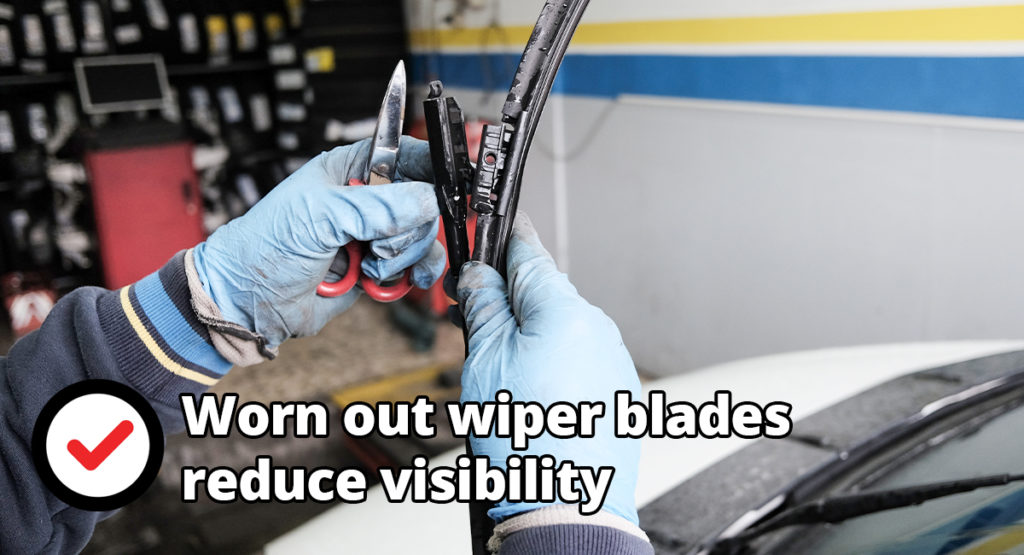
Your car’s windshield wiper blades keep your windshield clean and clear. Over time, rubber on the blades can wear out and cause streaking, which decreases visibility.
Manufacturer’s typically don’t have recommended intervals for changing wiper blades. Instead, mechanics will check them at each oil change and recommend replacements, if needed. However, you can typically expect to replace them at the end of summer and winter due to extreme temperatures wearing down the rubber.
Some repair shops and auto parts stores will replace your wiper blades for free if you buy the blades from them. Parts alone can run $35–50. Shops may charge an extra $26–33 to install them, but you can easily do it yourself in most cases.
5. Brake fluid exchange
Typical interval: 3 years or 24,000 miles
Average cost: $73–104
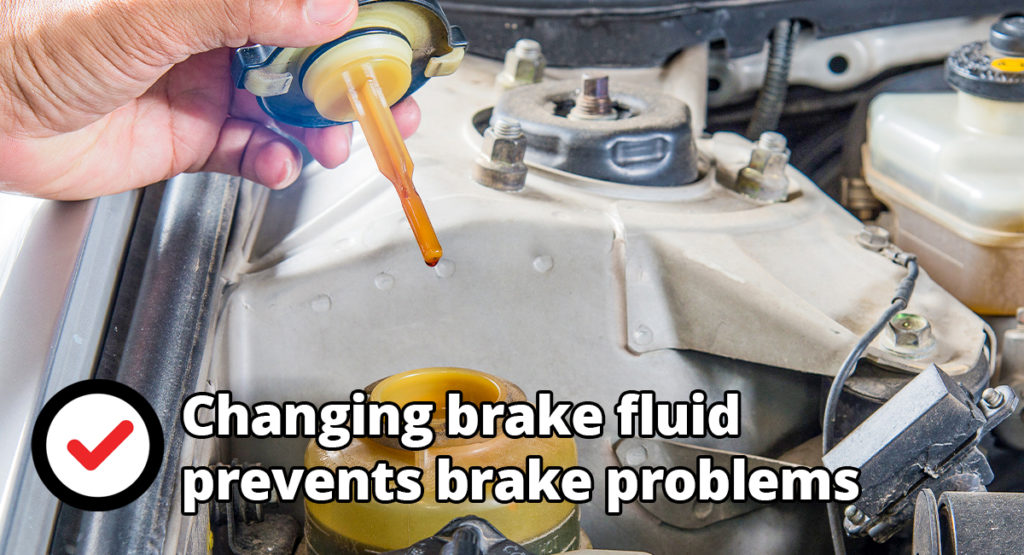
You’ll rarely find a brake fluid exchange on a manufacturer’s maintenance schedule, but any good mechanic will stress its importance.
Brake fluid absorbs moisture over time, which can lead to rusting in brake lines and other problems. Also, the excess water may cause brake fluid to boil when it heats up, damaging the seals in the brake system.
A brake fluid exchange is a fairly simple task on nearly any vehicle, and should be performed about every 3 years.
6. Engine air filter replacement

Typical interval: 30,000–40,000 miles
Average cost: $60-75
The engine air filter prevents dust and debris from entering the engine, which could cause severe damage over time.
Manufacturers typically recommend changing the air filter every 30,000–40,000 miles, regardless of its condition. However, most mechanics will inspect the filter at every oil change and recommend a replacement if dust and debris have built up.
You can typically expect to pay $60–75 for a new air filter, depending on the filter cost and difficulty installing it.
7. Cabin air filter replacement

Typical interval: 30,000–40,000 miles
Average cost: $70-90, depending on labor
The cabin air filter keeps dust, debris, and pollen out of the cabin. Sitting between the heater blower motor and the heating and cooling vent system, it can become clogged over time and need replacing.
Most manufacturers recommend replacing the cabin air filter every 30,000-40,000 miles, but mechanics will often inspect it at every oil change and recommend a replacement if it’s clogged.
8. Transmission fluid change
Typical interval: 30,000–60,000 miles
Average cost: $100–200
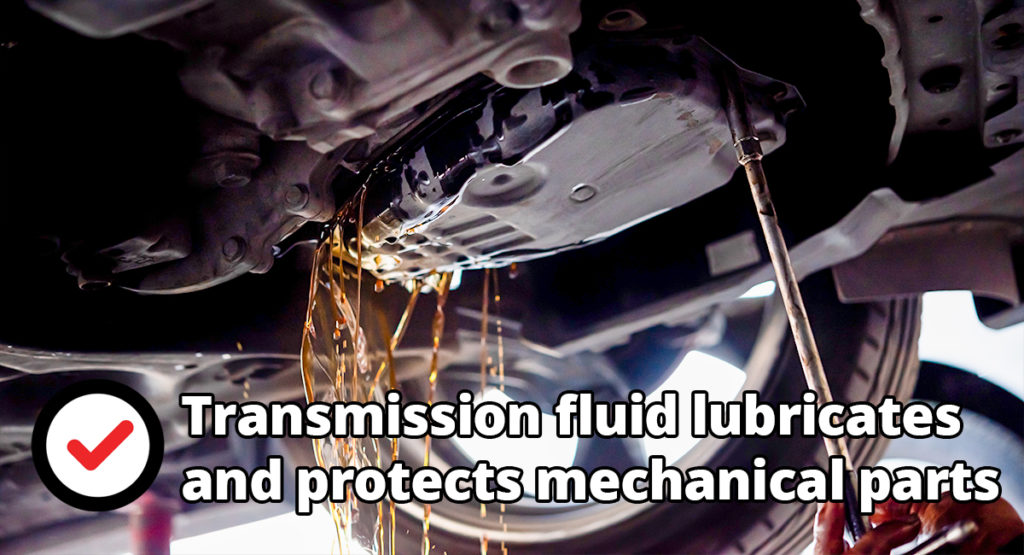
Automatic transmission fluid not only acts as a hydraulic fluid and lubricant, but it also keeps the transmission’s internals clean and cool. Over time, it can become contaminated and break down, which can lead to transmission failure. As such, most manufacturers recommend a transmission fluid change every 30,000–60,000 miles.
There are a couple of ways to service the transmission fluid. A flush forces clean fluid through the transmission, refilling it with new fluid. The pan-drop method involves removing the transmission pan and allowing the fluid to drain. The technician then replaces the filter and gasket before reinstalling the pan—something they can’t do during a flush.
No matter which process you choose, expect to pay $100–200.
9. Coolant exchange

Typical interval: 30,000–100,000 miles
Average cost: $94–118
Coolant or antifreeze keeps your engine cool and provides lubrication to many moving parts. Over time, the coolant can break down or become contaminated.
There are two ways to exchange coolant: A shop can connect a machine and flush out the system, or it can simply drain the coolant at the radiator and refill the system. Both work equally well, though the flush is often reserved for cars with corrosion or overheating issues.
Coolant exchange intervals vary greatly between vehicles; some older cars may need it every 30,000 miles. Newer vehicles, on the other hand, may have extended-life coolant that only requires an exchange every 100,000 miles.
10. Spark plugs
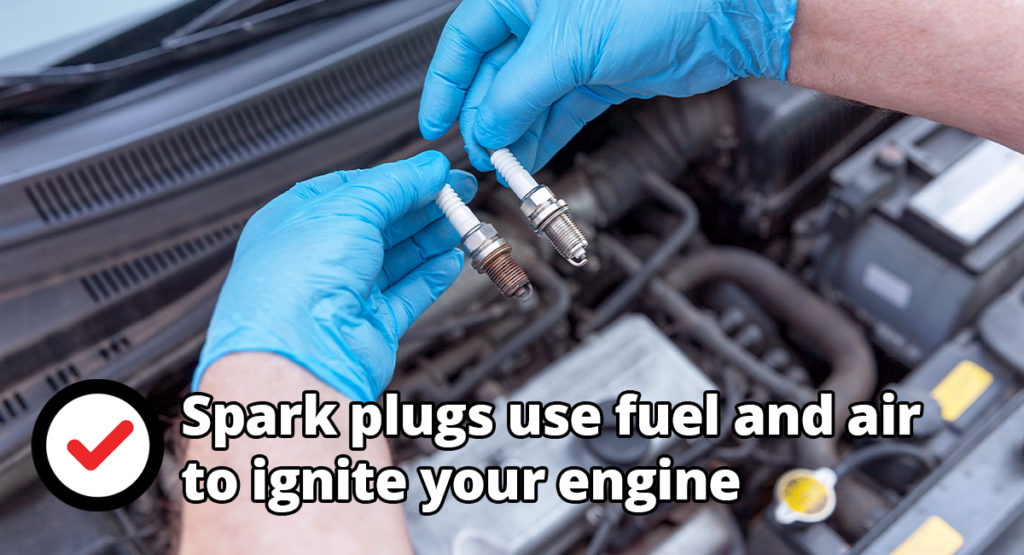
Typical interval: 40,000–100,000 miles
Average cost: $190–250
Replacing spark plugs, often referred to as a tune-up, used to be a more labor-intensive process that involved setting the timing, replacing the ignition points and distributor cap, and installing new spark plug wires. Newer vehicles use coil-on-plug technology that no longer requires distributors, points, and spark plug wires.
Some vehicles have more laborious spark plug replacement processes, or they may require special spark plugs. Spark plug replacement pricing varies by the vehicle and can cost significantly more in these cars.
Each manufacturer will differ on spark plug replacement intervals, but they generally fall somewhere between 40,000 and 100,000 miles.
11. Brake pads
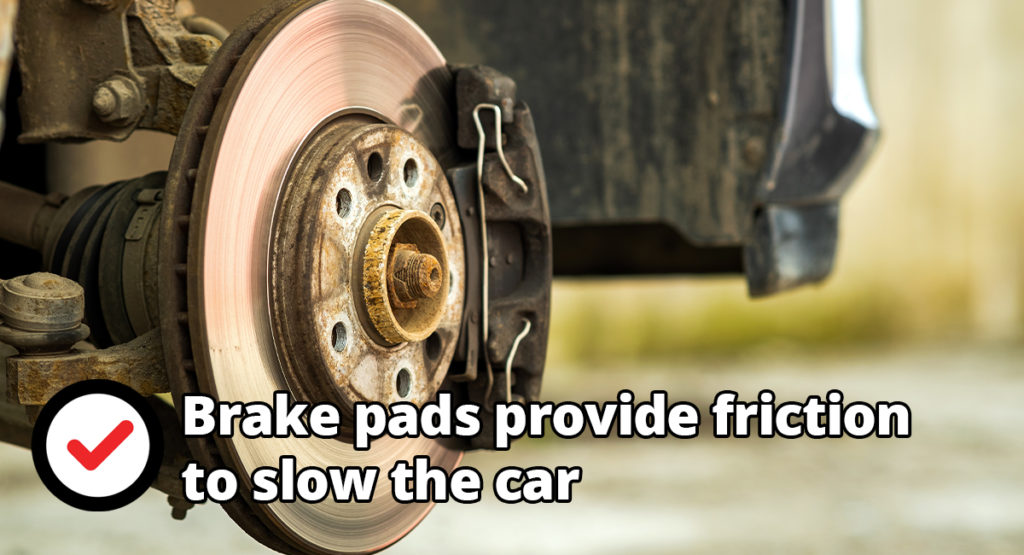
Typical interval: 50,000 miles
Average cost: $250
Brake pads contain a friction material that wears out over time, and loses its ability to stop the vehicle. If that material gets too low, it may damage the metal backing plate and other brake components.
Expect to change brake pads about every 50,000 miles, on average. Your driving style can also impact replacement intervals—you may need new pads at 25,000 miles or they could last up to 75,000 miles.
This wide mileage range is why technicians generally check your brake pads every time they remove the wheels—when performing a tire rotation, for example. The average brake pad replacement runs $150 per axle. Most brake services will include other maintenance, such as rotor resurfacing or replacement, increasing average cost to $250.
12. Belts

Typical interval: 60,000 miles
Average cost: $100–200
A series of drive belts transfer engine power to various accessories, including the power steering pump, alternator, and air conditioning compressor. Some belts drive only one accessory, while other “serpentine belts” snake their way around several accessories.
Belts are made of rubber and nylon threads that wear out over time. If one of them snaps, it can cause a breakdown. To avoid this, many automakers now recommend replacing drive belts every 60,000 miles.
Since belts can wear out at any time, most mechanics inspect them at every oil change and recommend replacement if they show excessive wear, such as cracking or chipping.
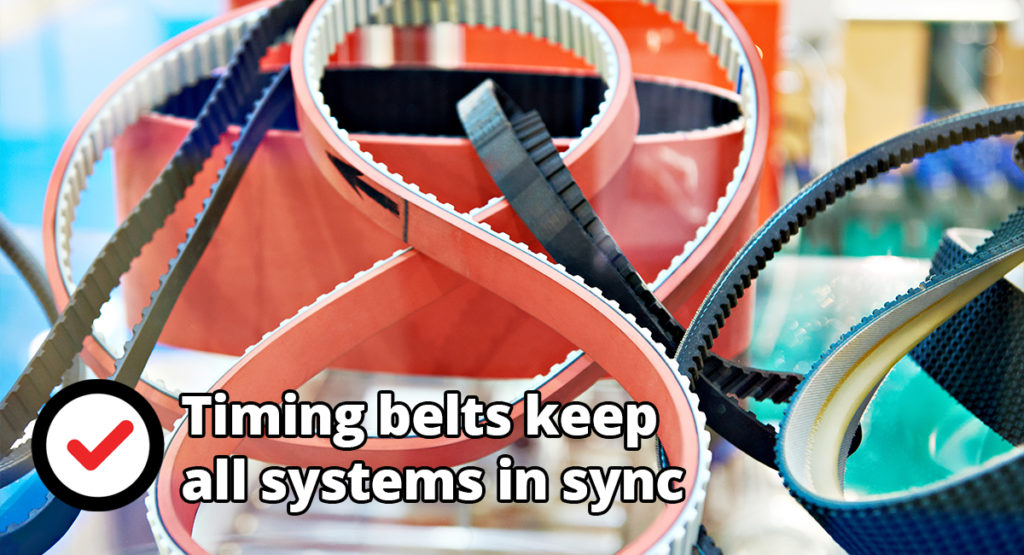
13. Timing belt
Typical interval: 5 years or 75,000 miles
Average cost: $730
Unlike other vehicle belts, the timing belt is located inside the engine. It keeps all mechanical components, ignition, and fuel systems in sync. Since the belt isn’t visible, it’s hard to inspect it for wear. Therefore, it’s essential to follow the service interval for this part. If the timing belt breaks while driving, there’s a high chance of severe internal engine damage.
Every car’s timing belt interval will vary, but the average interval is 75,000 miles or every 5 years. Prices can be as low as $300 to replace the timing belt, or in excess of $1,000 for more complex vehicles. On average, expect to spend around $730 for a timing belt replacement.
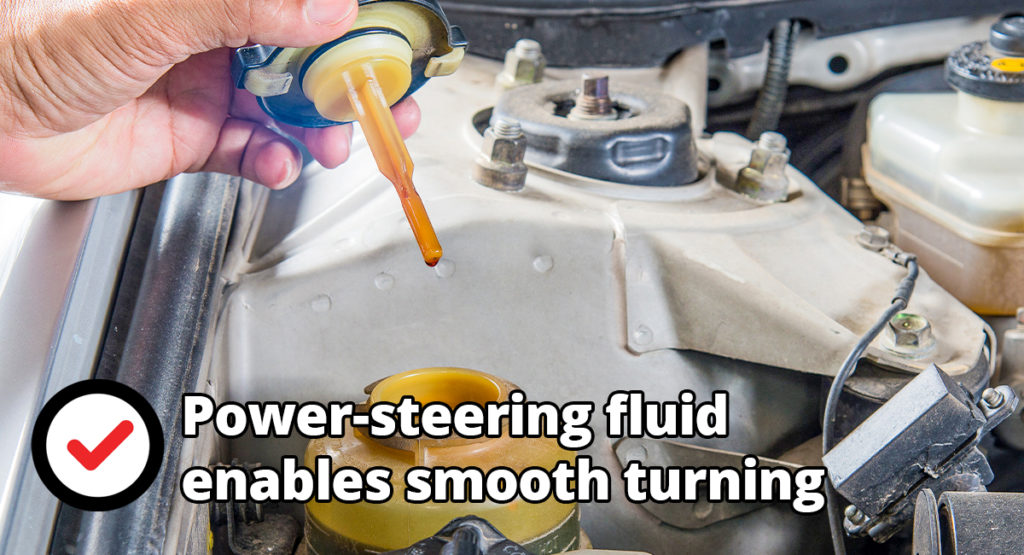
14. Power steering fluid exchange
Typical interval: 2 years or 75,000 miles
Average cost: $90–125
Power steering flush is another maintenance item often omitted from a carmaker’s recommended maintenance schedule. Like transmission fluid though, power steering fluid helps lubricate and transmit hydraulic pressure, so you need to keep it in tip-top shape.
You should change your power steering fluid at least once every two years. If you do a lot of driving, you’ll want to change it every 75,000 miles.
How to save money on vehicle maintenance

Photo: Hamilton Auto Care, Township, New Jersey
While staying on top of this maintenance checklist can save on costly repairs down the road, the following tips can reduce maintenance costs right now.
Bring your own parts
Repair facilities generally mark up parts and fluids 30% or more. Not all shops will allow you to BYOP, so verify the shop’s policy before purchasing your own parts.
DIY maintenance items
If you have moderate mechanical knowledge, it’s possible to save money in maintenance costs. Here are some ways to do that:
Oil change. Many car owners do their own oil change to save money. Total cost: About $23 for the oil and filter—and an hour of your time. Total savings: About $8–102, depending on your vehicle. You’ll need an oil filter wrench, a basic wrench set, and an oil drain pan, but savings over time will pay for these items.
Tire rotation: You can do your own tire rotation in about an hour without any out-of-pocket costs. Total savings: $24–120, and shouldn’t take longer than an hour. You’ll need to buy a jack, jack stands, lug wrench, and torque wrench, but again, the long-term savings will more than pay for these expenses.
Air filter: You can pick up an engine air filter at any parts store for $10–20 and install it yourself. The filter is stored in a small box near the front of the engine. To replace it, simply unlatch the box, pull out the filter, slide the new filter in, and close the box. This will save you up to $66 each time.
Cabin air filter: A cabin air filter runs about $10 and requires little skill to replace. Replacing your own cabin air filter could save up to $80.
Windshield washer fluid: Adding windshield washer fluid is another simple task you can do yourself. Find the tank under the hood labeled “Washer fluid,” open the cap, fill the tank with new washer fluid, and close the cap. Washer fluid generally costs less than $5 per gallon.
How to avoid getting ripped off
In today’s digital world, a shop is just a few bad reviews away from losing business. Most shops operate honestly, but some mechanics just want to make a quick buck at your expense. Search Yelp for highly rated mechanics, read their reviews, and request quotes from a handful of them before making a final choice.
For more, read How to find a good mechanic: Quick tips for quality car repairs
Here are a few additional tips to avoid getting ripped off.
Keep your service records
Some components—like timing belts or spark plugs—aren’t visible to the naked eye, so technicians recommend the service based on mileage only. With your service records on hand, you can verify when services were last performed and avoid repeat costs.
When the component is in clear sight and obviously new, having receipts alerts the technician that you’re on top of your car’s needs. This knowledge often deters a mechanic who’s trying to scam you.
Request to “see” your old parts
Ask the shop to return your old parts when they perform new maintenance. This helps you verify that the mechanic did the promised work. You can also see why the part needed to be replaced.

Pro tip: Find a picture of the old part online and compare it to the part the technician shows you. It’s easy for a dubious mechanic to show an unknowing customer any part and tell them it’s from their car. Comparing it to images online can prevent that.
Find a professional mechanic in your area.
Find a reliable mechanic
Tell us about your car maintenance needs and we’ll connect you with trusted local pros.