Buyer’s guide to best replacement windows
Buyer’s guide to best replacement windows

Key takeaways
Replacement windows can cost 30% less than those used in new construction
If an old window frame is in good condition, a replacement window can be installed in minutes
Vinyl is the least expensive replacement window material, fiberglass the strongest, and aluminum the best for large
Did you know that you can replace drafty old windows in your home without major construction? Advancements in replacement window technology have made it easier and more affordable to update those aging panes.
The cost to replace a home’s windows is “easily 30% less than [using] new-construction windows,” according to Michael Cavanna, CEO of Brothers Home Improvement in San Jose, CA. Installation is easier because “you don’t have to tear out part of the wall” to slip in a replacement window.
Although replacement windows are still a major investment, they yield big payoffs for homeowners. In addition to increased comfort, quiet, security, and curb appeal, professionally installed windows can shave up to 12% off your monthly heating bill. Homeowners have also recouped up to 73% of the project cost upon resale, according to 2020 data from Remodeling magazine.
4 signs your windows need replacing

Are your windows an eyesore? If a little TLC (cleaning and painting) will temporarily perk them up, you can delay replacement. If they’re downright shoddy, swapping them out could improve the value of your home and quality of life inside it.
Are they drafty? Weatherstripping and storm windows may temporarily reduce drafts, but replacing leaky windows with energy-efficient ones are a permanent fix that saves on monthly energy costs.
Do they fog-up between the glass panes? If so, they need to be replaced. Regular condensation on interior glass surfaces can be resolved with improved room ventilation, adding storm windows, or using a dehumidifier. But condensation between glass panes can’t be fixed.
Are they hard to open? Stuck windows and balky operation can sometimes be solved by cleaning and lubricating the hardware. If your windows don’t work at all, it’s probably time to replace them.
New construction vs. replacement windows: What’s the difference?

There are two types of residential windows: New construction and replacement windows. Understanding how each type is used highlights the advantages of replacement windows.
New-construction windows
Windows designed for new construction or remodels are made in a range of standard sizes and have a larger glass area than replacement windows. When walls are built or remodeled, the openings are made to fit these stock window sizes.
Replacing an existing window with a new-construction window is not typically recommended. It requires additional construction: cutting into siding and interior wall surface, installing the window from outside, then repairing the walls.
This takes a lot of time, makes a big mess, and is expensive. On a three-bedroom house, replacing existing windows with new-construction models can easily cost $20,000 or more. It can also take two or three weeks, depending upon the complexity of the job and size of crew.
Replacement windows

Replacement retrofit windows, on the other hand, are quick and easy to install. They mount in existing window frames without additional construction. And, they can be installed from inside the room, eliminating the need for ladders or scaffolding. The replacement window attaches to the existing frame with fasteners that run through the new window frame.
An installer will measure your existing windows and order replacements to fit the old frames. As long as the old frame is in good condition, installers can leave it in place and slip in the replacement window in minutes.
If the old window frame is rotted or in poor condition, however, it will need to be rebuilt. This could also signal more rot in the structure around the window.

Pro tip: If the window frame needs to be torn out and replaced, it’s best to buy new-construction windows, which have larger glass areas.
Slightly smaller glass is the trade-off for replacement windows. That’s because replacing a window involves “encapsulating the old window frame, so you lose a little glass,” explains Brothers Home Improvement’s Cavanna.
Types of replacement windows
When buying replacement windows, the first step is picking window frame and sash material. Window manufacturers use five basic materials to make replacement window sash and frames: vinyl, wood, composite, fiberglass, and aluminum.
Vinyl windows
Polyvinyl chloride (PVC) windows are among the least expensive. They’re available from many manufacturers including local fabricators. The sash (the window part that holds the glass) and frame are made of vinyl, which is weather-resistant, easy to clean, and never needs painting. Milgard, Andersen, Pella, and other major manufacturers make vinyl windows.
Once only available in white (the most popular color), vinyl replacement windows now come in beige and brown. Some even have a wood-grain finish on the interior.
Pro tip: When shopping for vinyl replacement windows, look for units that have thick vinyl profiles with welded corners that create a strong, rigid frame.
Wood windows


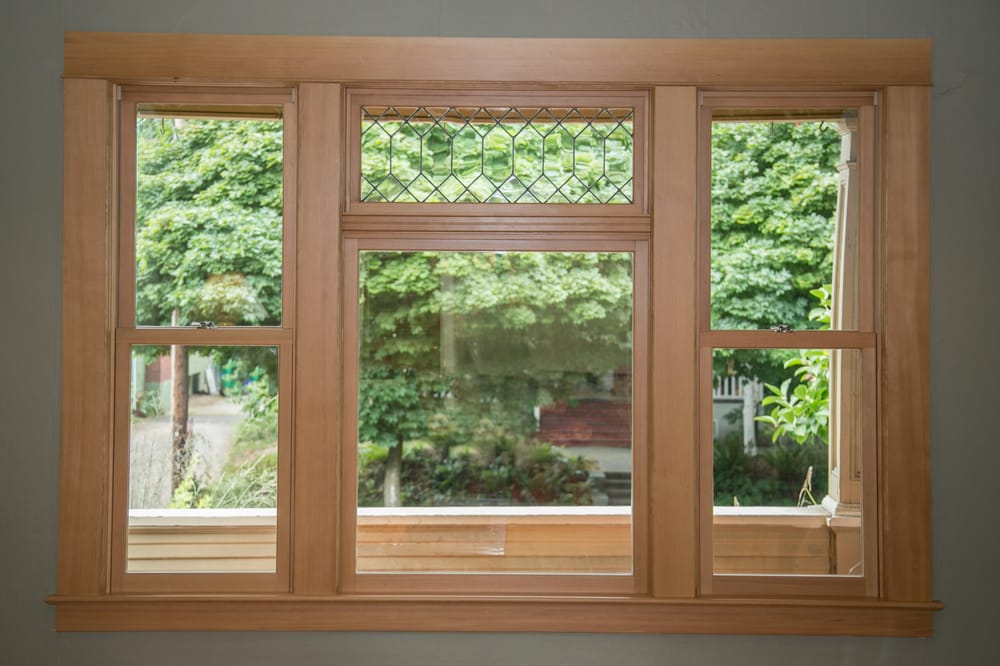
Wood replacement windows are typically made of clear pine. The most durable types have an exterior covering, called “cladding,” which is made of aluminum or vinyl. This creates a high-quality, low-maintenance window that’s rot-resistant and paint-free outside. However, you can paint or stain the natural wood finish inside to match a room’s décor. Pella and Andersen are top-rated wood-clad brands.
Composite windows
Composite windows are made from a vinyl-and-wood mashup that’s known for durability, weather resistance and a wood-window look. Andersen and Marvin also make top-rated composite windows (which go by Fibrex and other brand names). They typically come with a limited 10-year warranty.
Fiberglass windows
Polyester resin mixed with fine glass strands creates a strong, resilient fiberglass replacement window that won’t crack, warp, or rot. Fiberglass windows are also less likely to leak air between the glass panels. Marvin, Milgard, Pella, and Andersen make high-quality fiberglass windows.
Aluminum windows
Aluminum frames are durable, lightweight, and strong. Because of its strength, aluminum is a good choice for very large picture windows.
Aluminum readily conducts heat, so quality aluminum windows should have cores of foam insulation and a “thermal break”—a separation between the interior and exterior surfaces—to reduce heat loss.
Pro tip: Aluminum doesn’t rust or rot, but it can corrode, especially in salty-air coastal climates. Aluminum windows that have powder-coated finishes will last for 20 years or more.
Replacement window materials

Here’s a list of worthwhile features to look for in quality windows:
Double glazing
Double-glazed windows have double panes separated by a space filled with air or another inert gas. The space enhances the window’s energy efficiency by slowing the transfer of heat through the glass. Argon gas is a better insulator than air.
Triple glazing
Triple glazing has three panes of glass and two air- or gas-filled spaces. Triple-pane glass windows are costly and very heavy, but offer superior energy savings and noise reduction. In most cases, the high cost is not offset by the energy savings.
Low-E coating
Low-emissivity (Low-E) glass has a coating that admits sunlight but reduces solar heat gain, to keep your home cooler on hot days. On cold days, Low-E coating stops room heat from escaping. It also partially blocks ultraviolet light, which can protect carpets and upholstery from fading.
Tilt-in sashes
When shopping for double-hung replacement windows, be sure that the sashes tilt in, so you can easily clean both sides of the glass from inside the room. If you’re replacing casement windows, confirm that the new replacements crank open far enough so you can reach between the side jamb and sash to clean outside-facing glass.
U-value
The U-value or U-factor of the window, listed in a sticker on the glass, indicates the rate at which heat flows through the window and frame. It’s a good way to evaluate the overall energy efficiency of a window. The lower the U-value, the better the window’s insulating capabilities.
Energy Star rating
Any window with an Energy Star label has met or exceeded government energy-saving standards. This rating can cut your monthly heating and cooling bills up to 12%.
Investigate federal tax credits, which currently total 10% of the cost of Energy Star windows up to a maximum of $200. (Note: These credits change over time.) Also, ask your local utility company about rebates and incentives that help defray the cost of new energy-efficient windows. The Dsire database lists state incentives.
Where to buy replacement windows

Every retail window company sells replacement windows. Window dealers will come to your home and measure, discuss window options, and provide prices. You can also walk through their showrooms for up-close inspection. Once you’ve chosen a style, the replacement windows will be custom made, often by major manufacturers.
Replacement units come in most window styles, including double-hung, casement, slider, hopper, and awning, so you’re sure to find one to suit your home.
There are three ways to buy and install replacement windows:
Shop online for the windows you’d like, then arrange installation through the manufacturer or dealer. The benefit: You’ll be able to see the full line of available products. The downside: This can be a lot of work, and you’ll need to find a contractor who is proficient at installing the type of windows you buy.
Hire a local window company or window installation contractor to handle the whole project for you. The benefit: Less work for you if you’ve hired a trustworthy contractor. The downside: You will be relying on the installer’s product choices.
Major home improvement centers are another option. The benefit: They can size replacement windows to order, or sell you off-the-shelf replacement windows in a multitude of sizes. You can either line up your own contractor for installation or arrange installation through the store.
When you only need to replace sashes
If your existing window frames are in good condition, you may only need a sash-replacement kit. These kits are the quickest, most affordable way to replace old drafty double-hung windows. Each includes two insulated-glass window sashes, two sash liners, and metal mounting clips.
DIY installation takes less than an hour. You can save a lot of money installing the kit yourself, if you have moderate DIY skills and tools. Here’s how:
Pry off the window stops from the window interior.
Pull out the old sash.
Nail mounting clips to each side jamb.
Snap sash liners into the clips.
Slip new sash into the liners.
Easy-installation sash-replacement kits are available from Marvin Windows, Jeld-Wen, Andersen Windows, and Precision Millworks.
How to hire a replacement window installer

In most cases, you’ll want an experienced window replacement contractor certified in the product line you buy to handle the installation. This is particularly important with custom windows.
Questions to ask a window installer
Installation. What’s the installation timeline from start to finish? This depends on size of the job, but you’ll want to know how long it’ll take.
Disruption. How much construction mess should you expect, how will they manage it during the project, and what’s their clean-up process? Again, getting a clear idea upfront helps to avoid conflicts later.
Licenses and insurance. Is the business licensed and insured with liability, worker’s compensation, and property damage insurance? It should be.
Certifications. Does the company have certification from American Window and Door Institute (AWDI) or Installation Masters. Certification from these organizations indicates training and competency.
Permits. Will a permit be required and, if so, will the contractor obtain it? The need for a permit will depend on the job and your local city hall. The contractor should take care of this.
Staffing. Who will do the work, company employees, or subcontractors? It’s generally best if company employees do the work.
New problems. What happens if the contractor encounters unforeseen conditions, such as termites or rot? These situations can dramatically escalate the price. Find out in advance whether the contractor will proactively assess potential problems and how they’ll handle them.
Pricing. What are the pricing and payment terms? Avoid paying more than 50% up front; you’ll have more leverage if problems arise.
Warranties. Is there a lifetime warranty on the replacement windows? This will depend upon the manufacturer. Be sure you know the length and terms of the warranty.
Cost of buying and installing replacement windows
On average, the cost of replacement window ranges from $450–1,000 per window for materials and labor. Labor alone can cost $100–300. Depending on the number, sizes, and types of windows installed, a complete window-replacement job can cost from $7,500–25,000.
Get at least three bids from licensed, experienced contractors. Be sure the bids include:
Brand, model, and type of windows
Number and size of windows
Full description, including features, frame materials, and glass type
Labor cost
Materials cost
Once you’ve selected a pro, get window prices, names of replacement window brands to be used, and installation costs in writing.
Find a window replacement installer near you.
Get good window replacement help—fast
Did you know that hiring a pro on Yelp is easy to do with Request-a-Quote? Many Yelp businesses display the bright red button on their pages. Just click on it, and you’ve taken the first step toward getting the service you want, when you need it, and at the price you can afford.
Yelp’s Request-a-Quote feature allows you to compare quotes from up to 10 home services professionals in a matter of minutes. Simply request a quote from a local pro, answer a few quick questions about your project, and get quotes from top-rated pros that you can easily compare.
Find a good window installer
Tell us about your window replacement project and we’ll connect you with trusted local pros.