18 unusual cleaning hacks that really work
18 unusual cleaning hacks that really work

Key takeaways
Everyday household items make surprisingly effective home cleaning products
These hacks will help you save money and cut down on chemical cleaners
They can even make house cleaning more fun
Did you know you could clean dirty pots with ketchup, or remove rust stains with mayonnaise? Not just urban legends, these strange-but-true cleaning hacks put everyday ingredients to work on your worst household messes, without the need for harsh products.
We tested each of the following 18 cleaning tips—with gleaming results! So go ahead—clean house and make a sandwich, all from the same jar.
Kitchen hacks
The kitchen is the heart of the home. Keeping it clean—and free of harmful chemicals—is vital for your family’s health. These safe and easy hacks can do just that.
“Common household products can be just as effective as commercial cleaning products, without damaging the surfaces in your home or leaving toxic residue on your hands,” notes Ilya Ornatov, founder of NW Maids Cleaning Service in Seattle.
Keep in mind that different surfaces can have different reactions, so always spot-test ingredients on a small area before jumping in.

Remove frying pan stains with ketchup
As every parent of a chicken-nugget-loving child has learned, a glob of ketchup in the wrong place can really make a mess. Who knew this miracle condiment could clean them up as well?
Ketchup is acidic, thanks to the natural citric acid in tomatoes and the added vinegar—and that makes it a natural cleaning solution for tough, baked-on food. Just cover the surface of your pan with a thin layer of ketchup, let it sit for an hour or so, then rinse off thoroughly.
Ketchup can also be used to clean rusty garden tools, jewelry, silver, stainless steel, copper, brass, and cast iron.
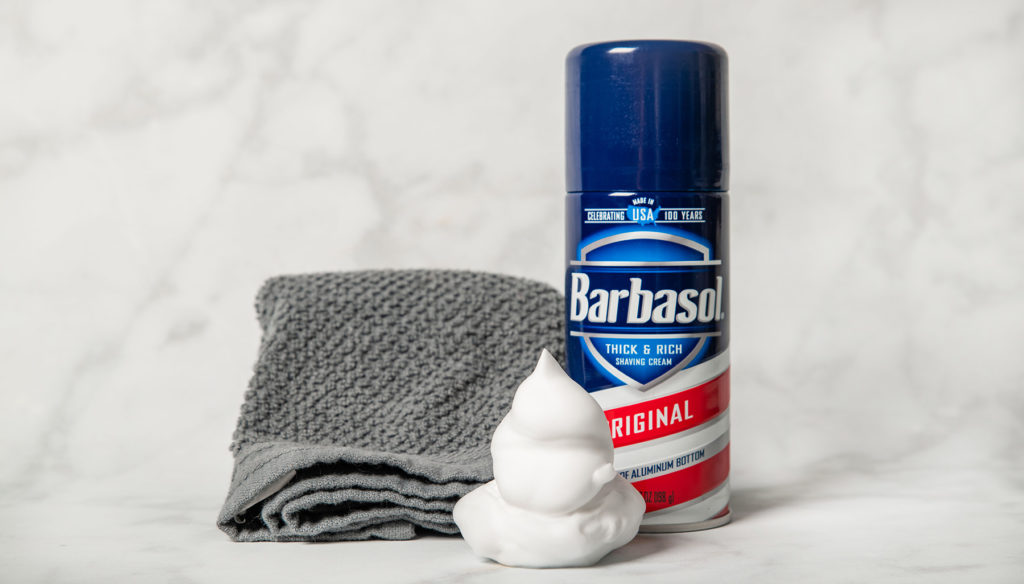
Clean the oven with shaving cream
This cleaning hack is a little messy, but it works. Buff foamy white shaving cream (the kind dads used in the ’70s) into dirty spots in your oven, then wipe off with a wet cloth or paper towel. Any remaining gunk should be easier to clean up with a damp sponge. Why? Shaving cream contains many of the same ingredients as soap, including cleansers and detergents.
Make sure you remove every bit of shaving cream from the oven before using it for cooking.
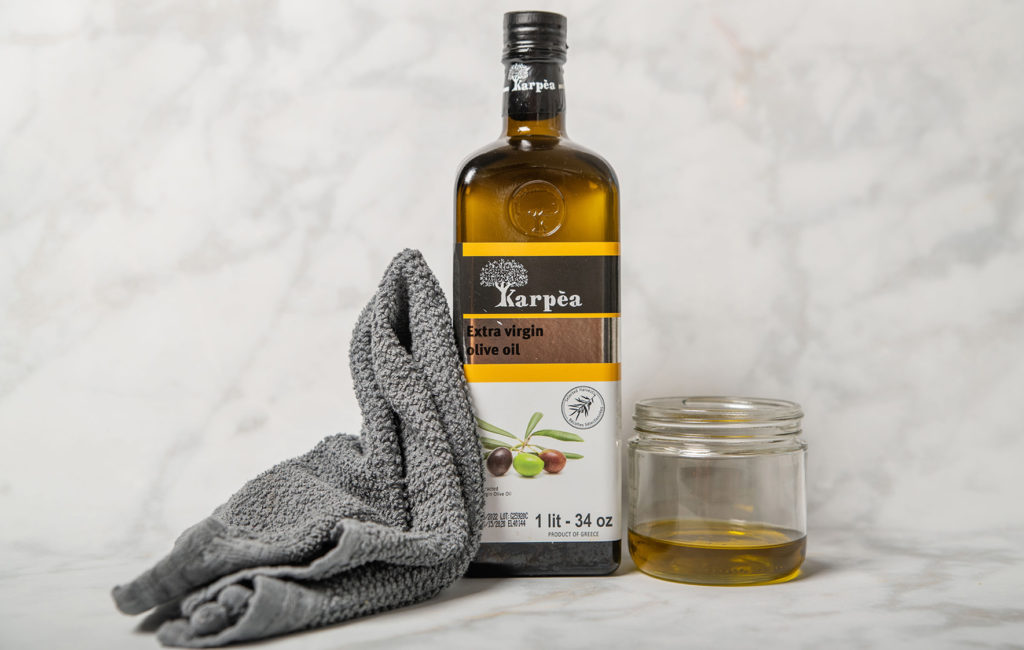
Buff the kitchen sink with oil
Baby oil, olive oil, or vegetable oil can make your sink shine. First, give your granite, porcelain, or stainless-steel sink a basic cleansing (a little dish soap and water is fine). Then, pour some oil onto a clean cloth and apply it to the surface. Let it sink in (pun intended) for a few minutes, then buff with a clean cloth until dry. The remaining thin layer of oil will help protect your sink from further dirt and stains. Repeat every few weeks.
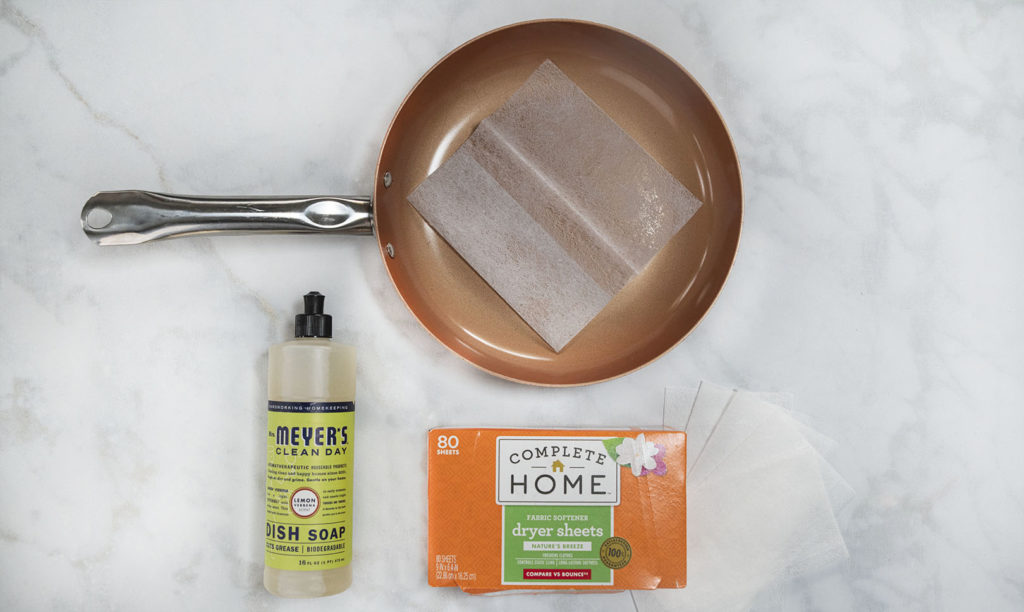
Loosen cooking grime with dryer sheets
When you let sauce simmer a little too long, it can get into a “committed relationship” with your stainless steel pan—but here’s a hack to separate them. Basic laundry dryer sheets can scour dirty pots, pans, and casserole dishes. How? Fabric softeners in dryer sheets, which relax the fibers in your clothes, are also thought to loosen up burned-on gunk.
Simply drop a dryer sheet into the pan, cover with warm water, add a little dish soap, and wait an hour. Throw out the sheet, rinse the pan, and watch the grime slide right down the disposal.
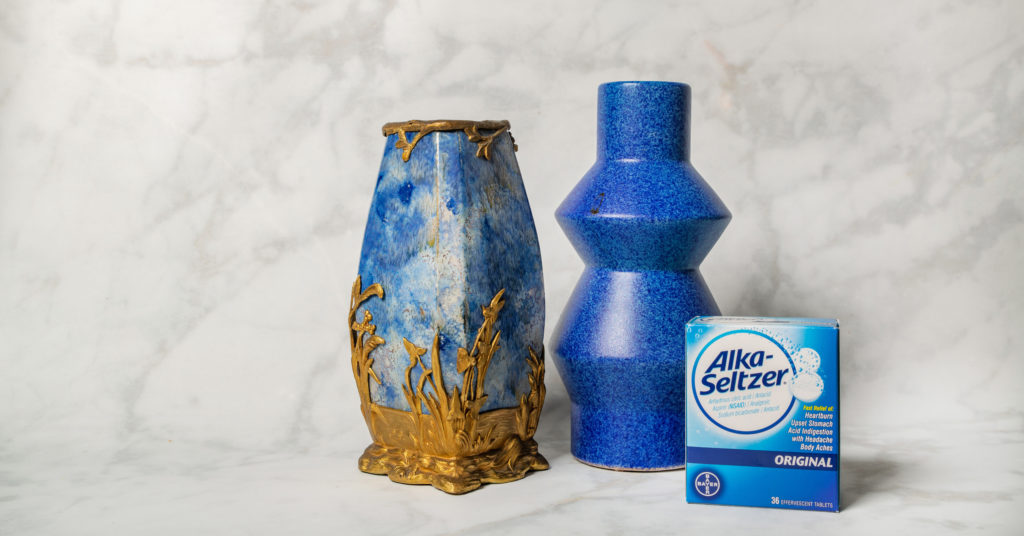
Cleanse flower vases with Alka-Seltzer
A 90-year-old over-the-counter medication, Alka-Seltzer has a unique delivery system that makes it good for cleaning, too. When you drop a tablet in water, baking soda and citric acid combine to release carbon dioxide, resulting in that famous fizz. To gently scrub, say, a filmy flower vase that’s too narrow to clean by hand, place a tablet in the vase, fill two-thirds with water, and let the effervescence do its thing. Once the bubbles have died down, rinse out the vase. It’s ready for another bouquet.
Alka-Seltzer may also break up (very) minor clogs in your drain pipes. Drop a few tablets down the drain, add warm water, and let them work. If the clog clears, follow with hot water.
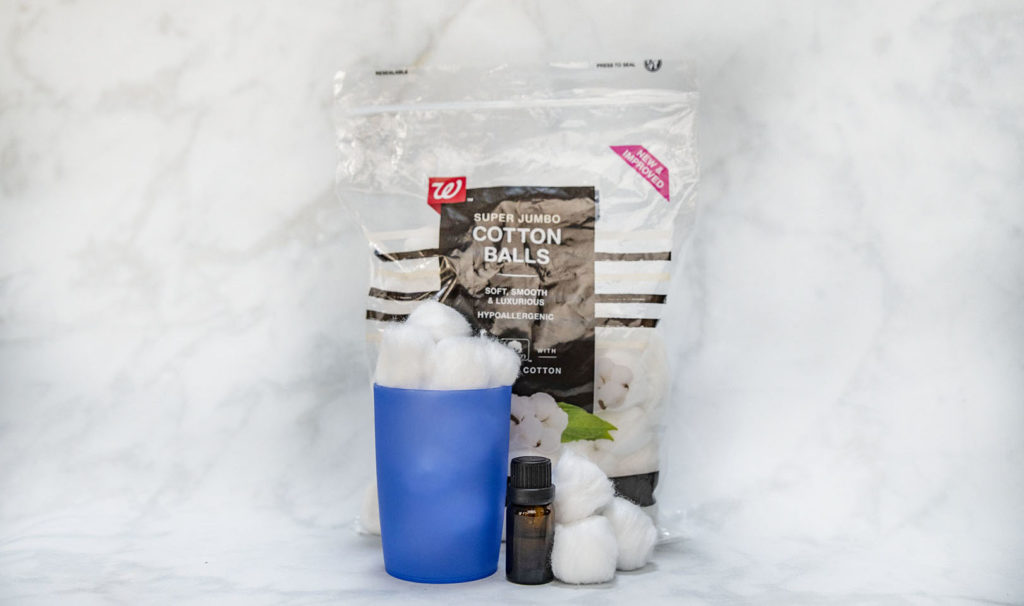
Freshen cabinets with cotton balls
Things can get a little smelly around kitchen cabinets, but that’s easy to fix. Place a few drops of your favorite essential oil (such as mint, citrus, or lemongrass) on a cotton ball. Leave it under a bin liner, in a drawer, in the refrigerator, or anywhere you like.
Essential oils are pricey—around $10–60 per half-ounce—but a little goes a long way, so a small bottle can last months. (Some are harmful when ingested, so keep them away from children.)
Bathroom hacks
The bathroom might be everyone’s least favorite room to tidy up, but you can make it less onerous with some unusual cleaning products. Try these cleaning hacks during your next scrub session.
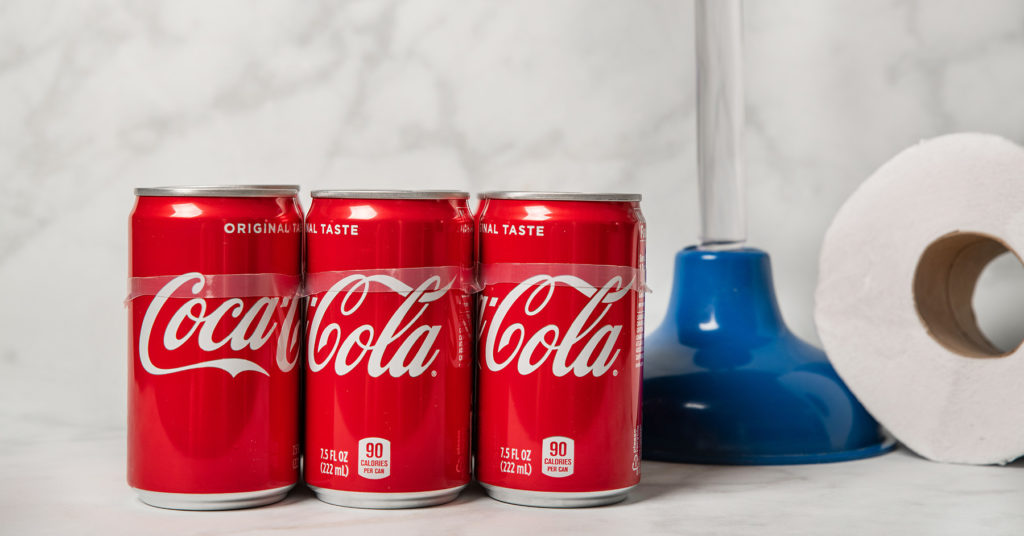
Scrub the toilet bowl with soda pop
For decades, teachers have demonstrated how to clean pennies with cola (as a science experiment and a lesson in why you shouldn’t guzzle too much of the stuff). The same fizzy action that makes copper coins gleam can also make a porcelain toilet bowl sparkle like new again.
Just pour one can of cola into the bowl, making sure you cover every surface, and let it sit for an hour or so. Flush the cola down and marvel at the shiny clean bowl. No scrubbing needed! Then sit back and sip a glass of nice, healthy water.
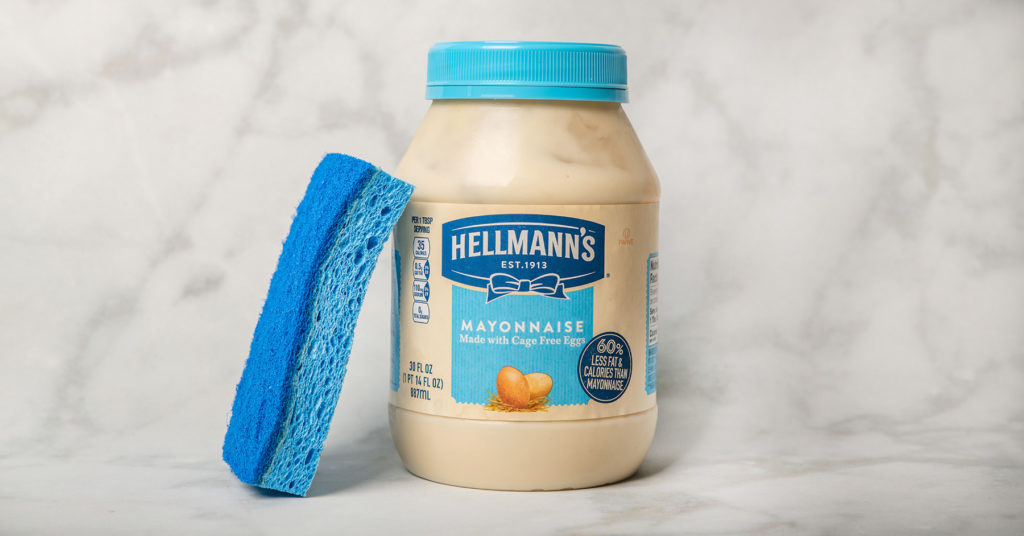
Clean a porcelain tub with mayo
Surprisingly, the same smooth product that holds your tuna salad together can break apart rust stains. The secret is in the oil, which penetrates rust and helps it dissolve. So, if you have rust stains in your porcelain tub, try spreading a little mayo on them. Let it sit, and wipe clean. This hack is super-cheap. If you don’t keep mayo in the house regularly, ask for a couple of packets next time you’re at a drive-thru.
You can also use mayonnaise to lift off adhesive residue after removing a product label or price sticker from a jar or bottle.
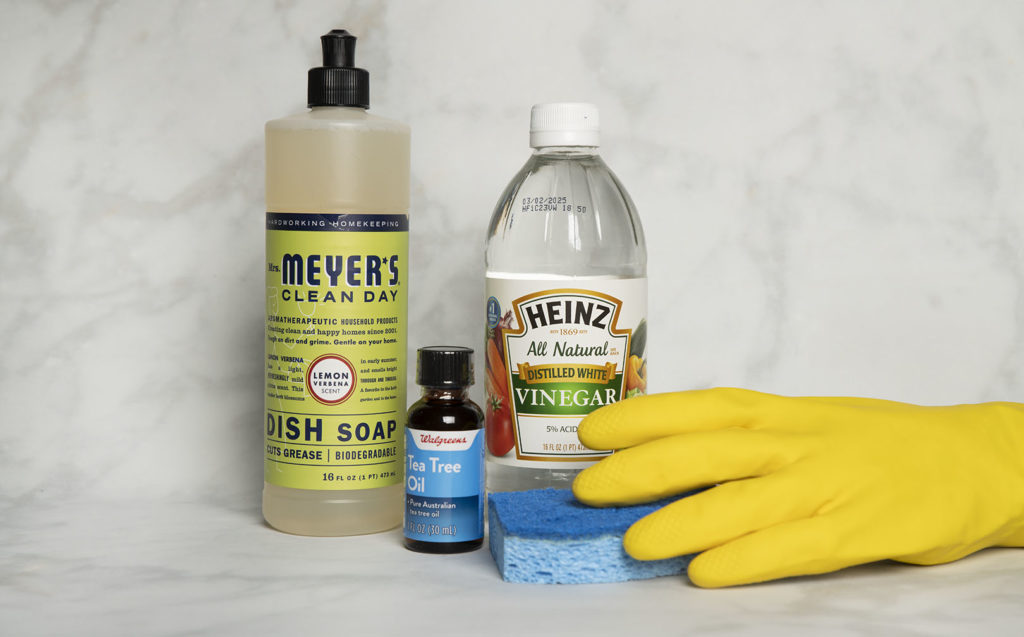
Cut shower scum with vinegar
With its grime-cutting power and fresh scent, white vinegar may be the natural product most often recommended by cleaning experts.
One of the best places to use vinegar? In the shower, in combination with other cleansers. Try this: In a bowl or spray bottle, mix 1 cup white vinegar with a couple tablespoons of dish soap and a drop or two of tea tree oil (available in natural-food stores, drugstores and online). Vinegar and soap make an effective cleaning duo, and tea tree oil is a natural disinfectant. Wipe or spray on shower tile, wait 10 minutes, then wipe or rinse off.
You can also use this mixture on glass shower doors to eliminate soap scum, mildew, and hard-water stains.
Brighten up dirty grout with baking soda
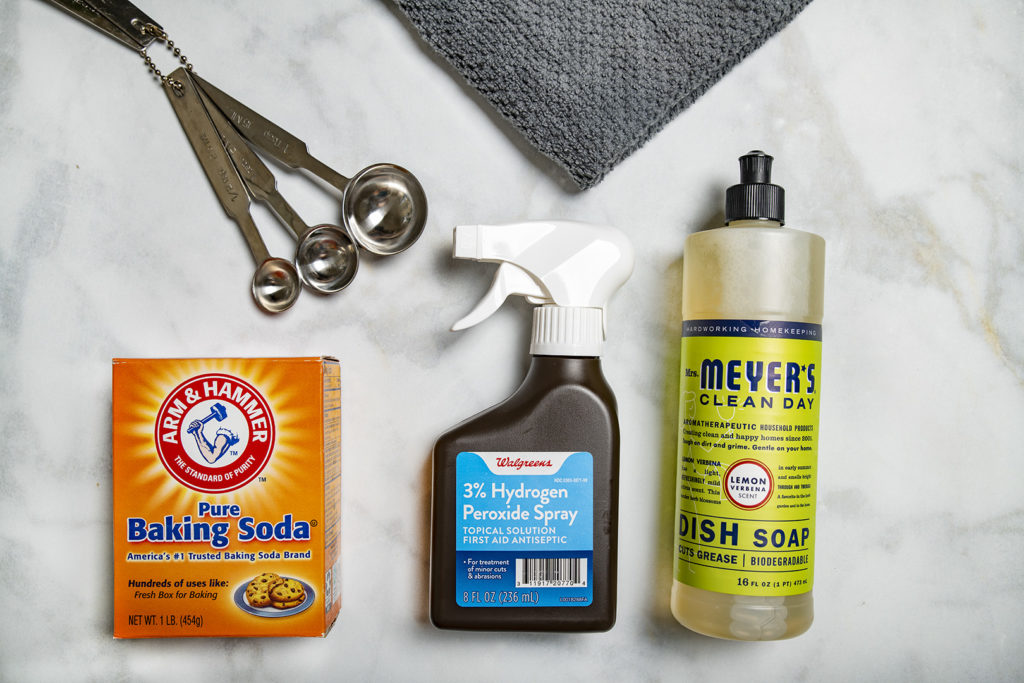
Baking soda is the superpower of natural cleaning—when mixed with various liquids, there’s not much it can’t do. A simple paste of baking soda and water can clean most sinks, ovens, and tiles. Vinegar plus baking soda makes an eventful drain cleaner (it fizzes up like a volcano in that school science fair).
If you have darkened tile grout that needs some deep cleaning, try this: Wearing rubber gloves, mix half a cup of baking soda with a quarter cup of hydrogen peroxide in a container with a lid; add a few drops of dish soap for good measure, and shake to mix. Apply the paste to the dirty grout with an old toothbrush or rag, and let it sit. Rinse with water.
Note: Hydrogen peroxide can sting the eyes, and in rare cases cause corneal damage. Take extra care by wearing a pair of protective glasses while trying this hack.
Shine shower doors and mirrors with shaving cream
Here’s another use for shaving cream: It can clean bathroom mirrors, and even keep them fog-free longer than regular glass cleaner. Take a handful of white, foamy shaving cream (avoid gel or tinted products), rub it into the mirror surface, then wipe clean with a soft cloth. Do the same on your glass shower doors—the thin layer of lubricant will help keep them clear.
Remove shower head residue with a bag of vinegar
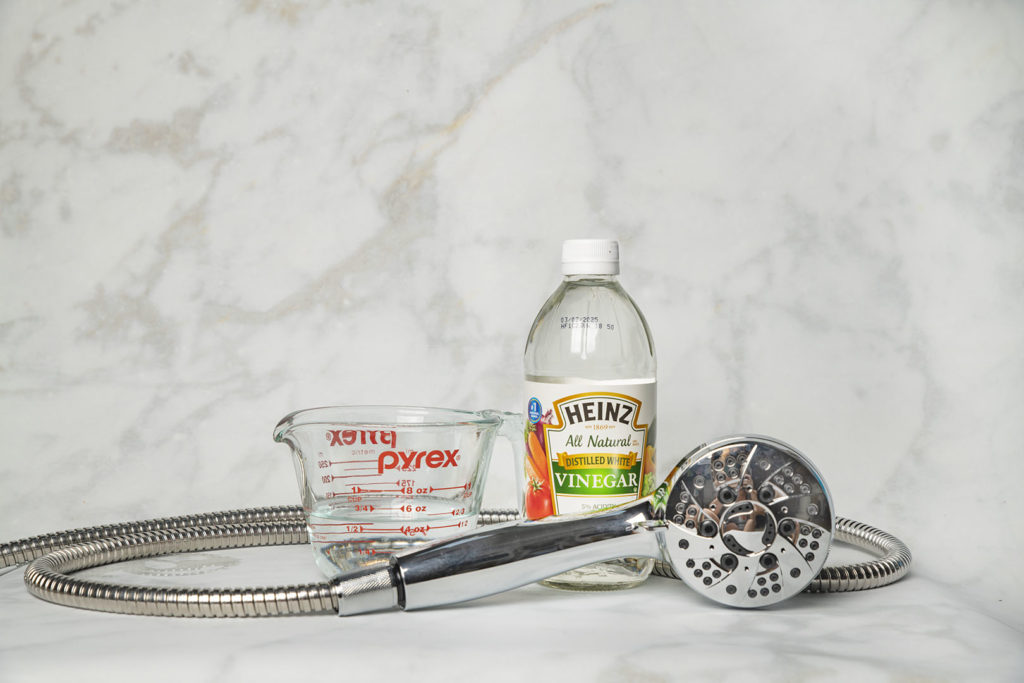
Hard water stains and mineral buildup can clog up your shower head, which means a drop in water pressure and uneven rinsing. You can avoid that by cleaning it monthly with this easy vinegar hack.
Fill a large, water-tight plastic bag with a 50/50 mix of white vinegar and water. Place it over the shower head so it’s fully submerged in the liquid. Secure with a rubber band, and let it sit. Carefully remove the bag, and run the shower for a minute or two. You may need to use a soft brush or rag to help remove any remaining residue.
If you know how to remove and replace your shower head, it may be easier to mix the vinegar solution in a large bowl and soak it there.
Deodorize a bathroom with rice
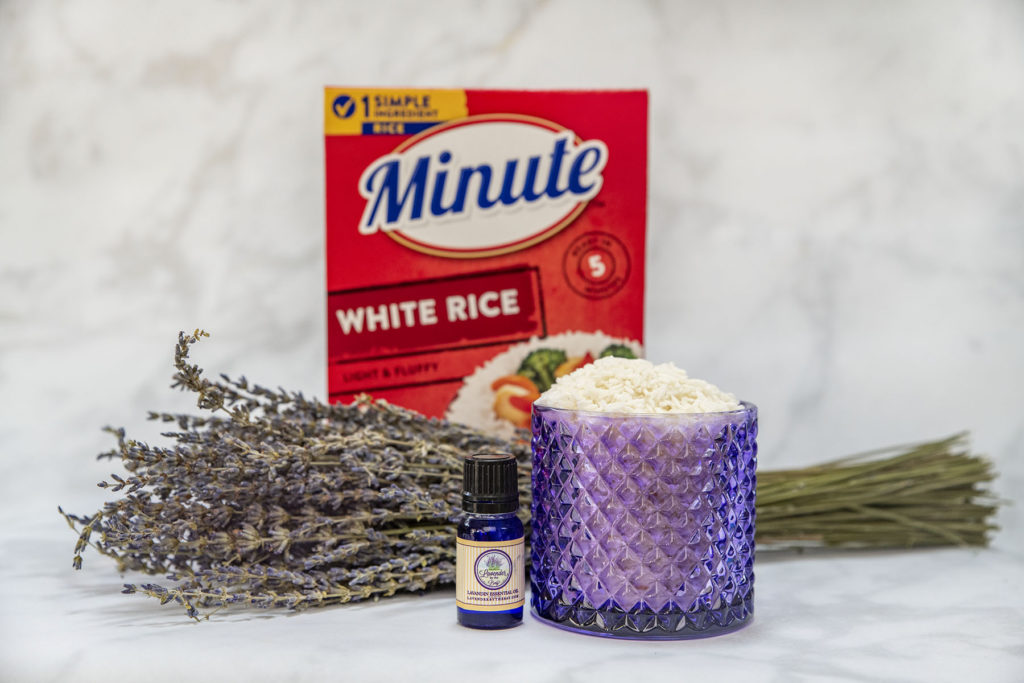
It goes without saying that bathrooms can be slightly malodorous, and most commercial room sprays just cover the smell with chemicals. A fresher fix: Put a few drops of your favorite essential oil into an open jar of uncooked rice, and place it on any bathroom surface. You can cover the jar with thin cotton fabric or cheesecloth to reduce the risk of spilling. Tie it up with a ribbon for decoration.

Clothes-cleaning hacks
With all the washing an average family does in a given month, any tricks that make the task easier—and clothes coming out nicer—are worth considering. Here are a few simple hacks for laundry day.
Freshen a washing machine with mouthwash
If your washer is smelling a little musty, a splash of mouthwash can make it minty-fresh. Put one cup of mouthwash in the detergent dispenser and run the washing machine on a hot-water cycle, without any clothes in the drum.
Brush sneakers clean
The same hydrogen peroxide that gets your teeth pearly-white can also make the soles of your sneakers shine like a brand-new set of Hollywood veneers. Just apply whitening toothpaste (uncolored and non-gel) to an old toothbrush, brush the sneakers, then wipe with a damp cloth. We suggest labeling the toothbrush you use, so it doesn’t end up in someone’s mouth.
Banish oily stains with baby powder
If pizza sauce has made its way onto your favorite shirt, try this cleaning hack: Dust the stain with baby powder and let it set for 30 minutes. The powder soaks up oil, making it an effective stain remover.
Brush the area gently with an old toothbrush or laundry brush, then soak in a mixture of dish soap and water. After a good soak, wash the shirt as usual. Don’t run the shirt through the dryer until the stain is completely removed, or it will set for life.
Use rubber gloves to remove pet hair from fabric
If you’ve used up all your lint rollers, pull out some rubber kitchen gloves instead. Put the gloves on, then use them to rub off any clinging pet hair. In addition to defuzzing your dress pants, the gloves are also effective at removing hair from furniture and upholstery.
Revive stinky clothes with vodka
This is a laundry hack used by costume crews in just about every theater in the world—because it works! If you can’t clean an item, or need to banish sweaty odors, spray the fabric with a 50/50 mix of (unflavored) vodka and water, and let it air dry. The alcohol in the vodka absorbs the smell and carries it away. Don’t use up your Tito’s for this—the cheap stuff is fine.
Want help getting your home clean? Find an eco-friendly cleaning service near you.
Find a good house cleaning service
Tell us about your house cleaning needs and we’ll connect you with trusted local pros.